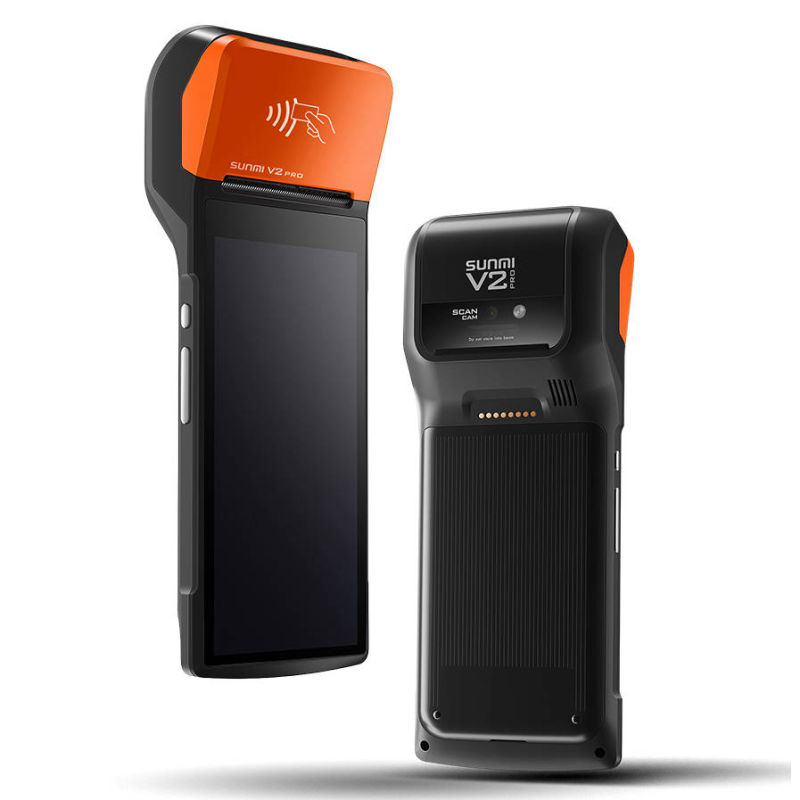
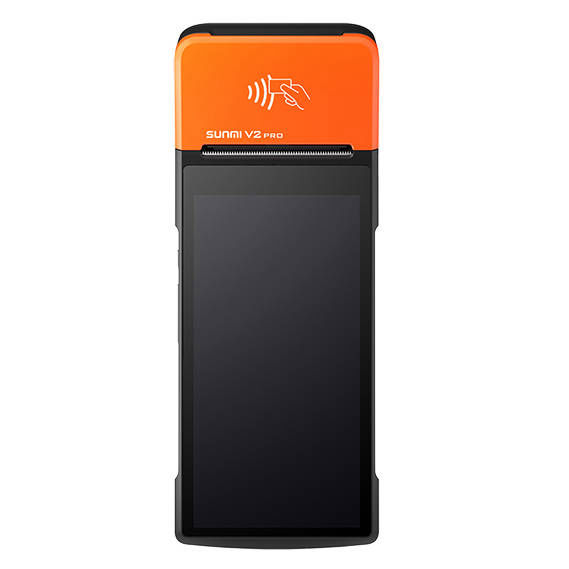
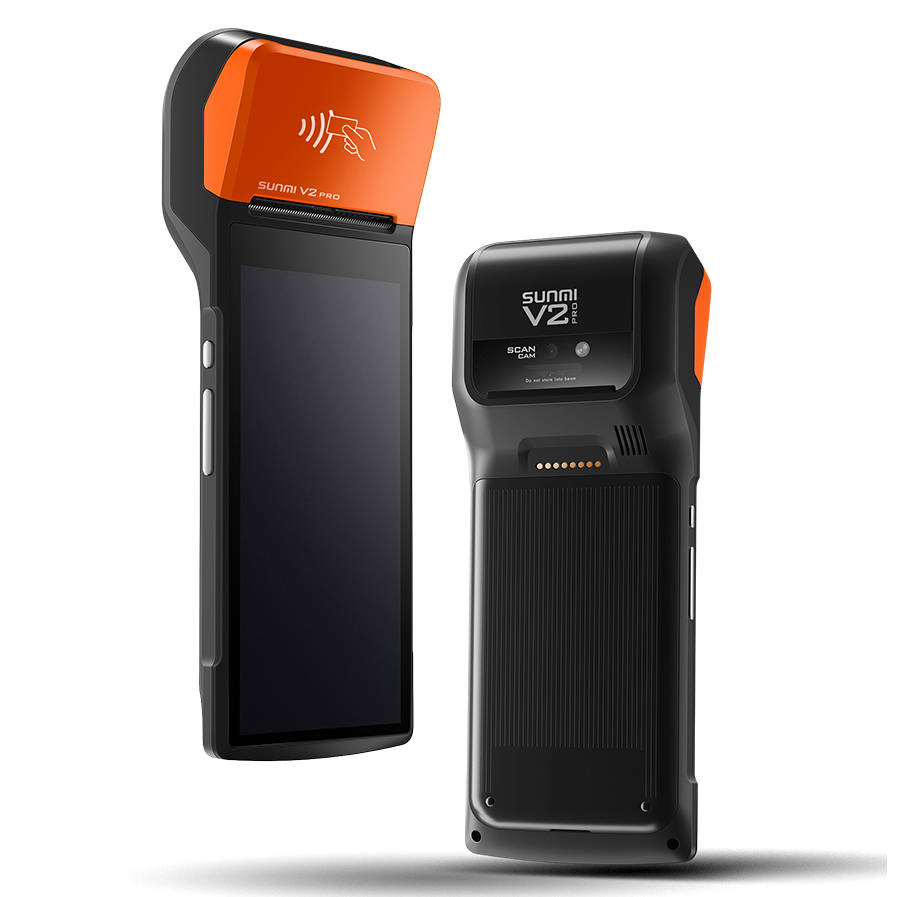
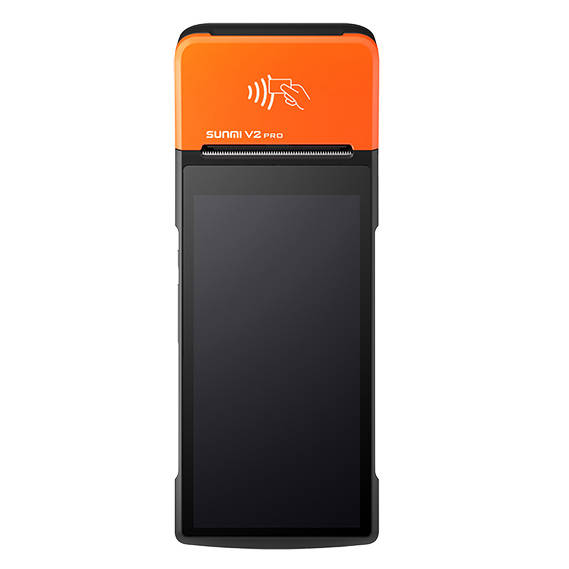
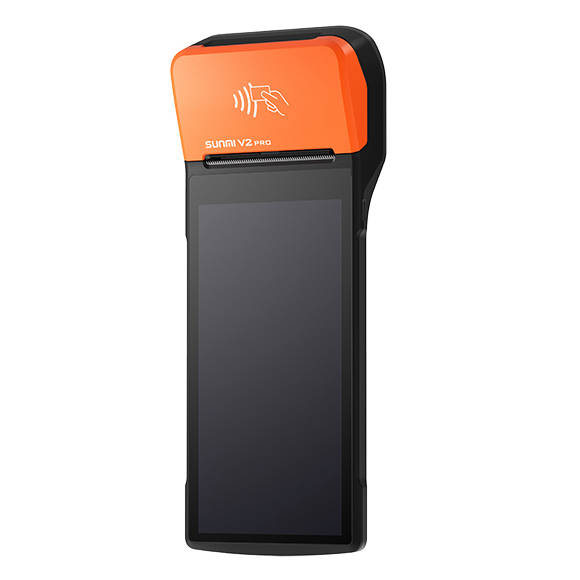
Such a mobile POS terminal was not here yet.
The first mobile POS terminal with a 5.94-inch
HD display will make your life simple. Sunmi
V2 Pro is an ultra-slim concept with only
13 mm at its narrowest point.
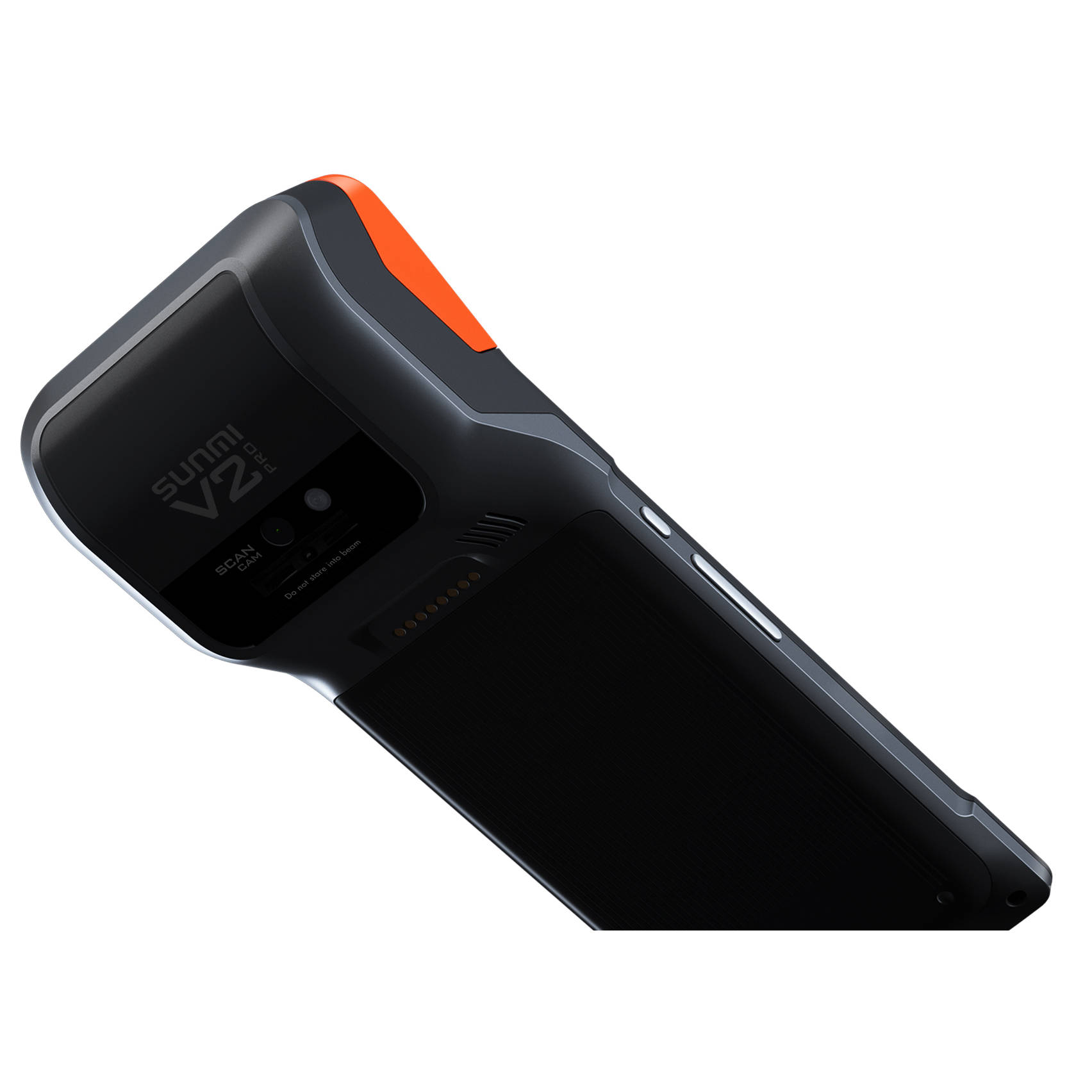
The Sunmi V2 Pro is produced
also in the Label print version,
which allows printing self-adhesive
labels and additionally contains
professional 2D scanner.
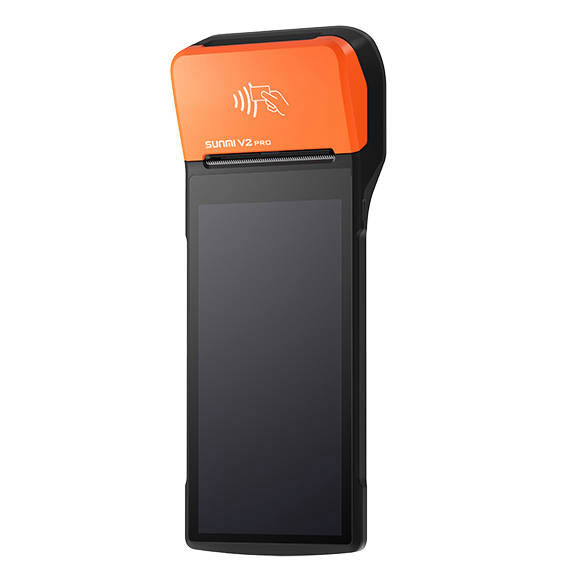
With a top-of-the-line design and
ergonomic body, it fits perfectly
into your pocket.
With the anti-slip rear cover, it will never
fall off the table and even if, the double
casing will reduce the impact strength.
The only wider location is the part where the thermal printer is located, with the possibility of fast printing of receipts. With NFC technology, you can build your customer network and loyalty programs.
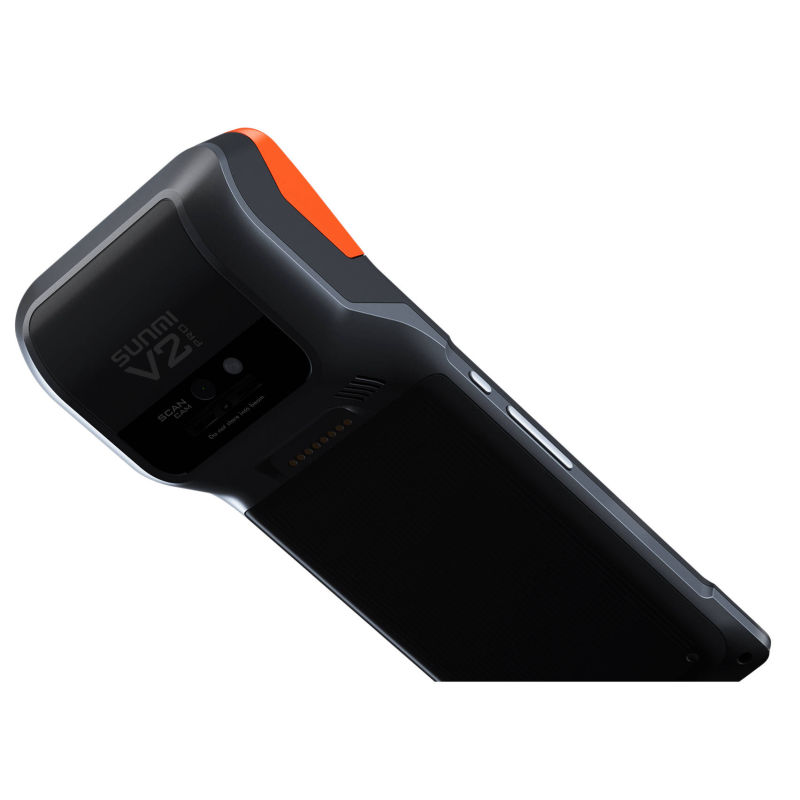
The equipment includes high quality rear camera
and professional 1D scanner (label version
contains 2D scanner). USB-C poer is suitable
for charging or connection external devices.
Sunmi V2 Pro works with Android 7.1 OS.
When Alita: Battle Angel hit theaters in February 2019, it was dismissed by some as a modest box-office success ($405 million worldwide against a $170 million budget) and a niche sci-fi curiosity. Critics praised the visuals but called the story "overstuffed." Five years later, however, the film has undergone a remarkable rehabilitation. It’s no longer just a manga adaptation; it’s a cult touchstone. And in the era of lifeless CGI and algorithm-driven sequels, Alita stands as a weird, beautiful, and oddly revolutionary artifact.
But that cliffhanger has become a rallying cry. Fans started a #AlitaSequel movement, buying billboards and even buying the DVD in droves to prove the demand. The film’s legacy is no longer just the movie itself, but the story of a passionate audience refusing to let a corporate IP die. In an era where franchises are milked dry, Alita is the rare film that deserves a continuation precisely because it was left unfinished. Alita: Battle Angel is not a perfect film. The love triangle is awkward. Christoph Waltz’s father-figure is too saintly. The world-building is rushed. But none of that matters. The film succeeds because of its massive, beating heart (pun intended). Rosa Salazar’s motion-capture performance is one of the most underrated of the decade—she makes a CGI cyborg feel like a rebellious teenage daughter you’d die for. alita: battle angel full movie
Rodriguez, known for Desperado and Sin City , finally unleashed his inner hyper-anime director. The sequence is a masterclass in spatial clarity—you can always track where Alita is, who her enemies are, and the physics of every impact. In an age where action scenes are often shaky-cam mush, Alita’s motorball is crisp, violent, and balletic. It’s the only time a live-action film has truly captured the feeling of a Jet Set Radio or Air Gear fever dream. One of the most interesting subtexts of the film is its rejection of the "sexy robot" trope. Alita doesn’t want a sleek, feminine chassis. When she finds the ancient Berserker body—a feral, porcelain-white battle machine with claws and a tail—she literally tears off her "pretty" doll arms to graft it on. When Alita: Battle Angel hit theaters in February
In most Hollywood CGI characters (from Thanos to Sonic the Hedgehog), the goal is photorealism. Alita did the opposite. By giving Rosa Salazar’s performance those huge, liquid eyes, the filmmakers forced the audience to constantly remember: She is not human. She is a machine learning to feel. The result is strangely more emotive than reality. When Alita cries—real tears streaming down a doll-like face—it’s more devastating than any live-action tear because it represents a machine achieving a humanity it was never meant to have. Forget the love story. Forget the politics of Zalem. The heart of Alita: Battle Angel is the motorball sequence. It’s a gladiatorial roller-derby of death that the film builds toward like a symphony. And in the era of lifeless CGI and
If you haven't watched it since the theater, or if you dismissed it because of the "weird eyes," go back. Watch it for the motorball. Watch it for the moment Alita tastes chocolate for the first time. Watch it for a blockbuster that was willing to be strange, sincere, and bloody.
Here’s why the movie deserves a second look—and why fans are still screaming for a sequel. The most immediate "problem" with Alita was also its greatest strength: her enormous, anime-accurate eyes. Critics initially called them "uncanny valley nightmares." But director Robert Rodriguez and producer James Cameron doubled down on a radical idea: Don't make the cyborg look human.

+420 725 325 271
+420 725 913 535
sunmi@satomar.cz
www.sunmi.cz/en
Satomar, s.r.o.
IČ: 29201586
DIČ: CZ29201586
Karlova 37
614 00 Brno
Czech Republic