Australian Natural History Series Books 2010 Isbn Bioone ⭐ Best Pick
Australian Natural History Series Books 2010 Isbn Bioone ⭐ Best Pick
Australian Natural History Series Books 2010 Isbn Bioone ⭐ Best Pick


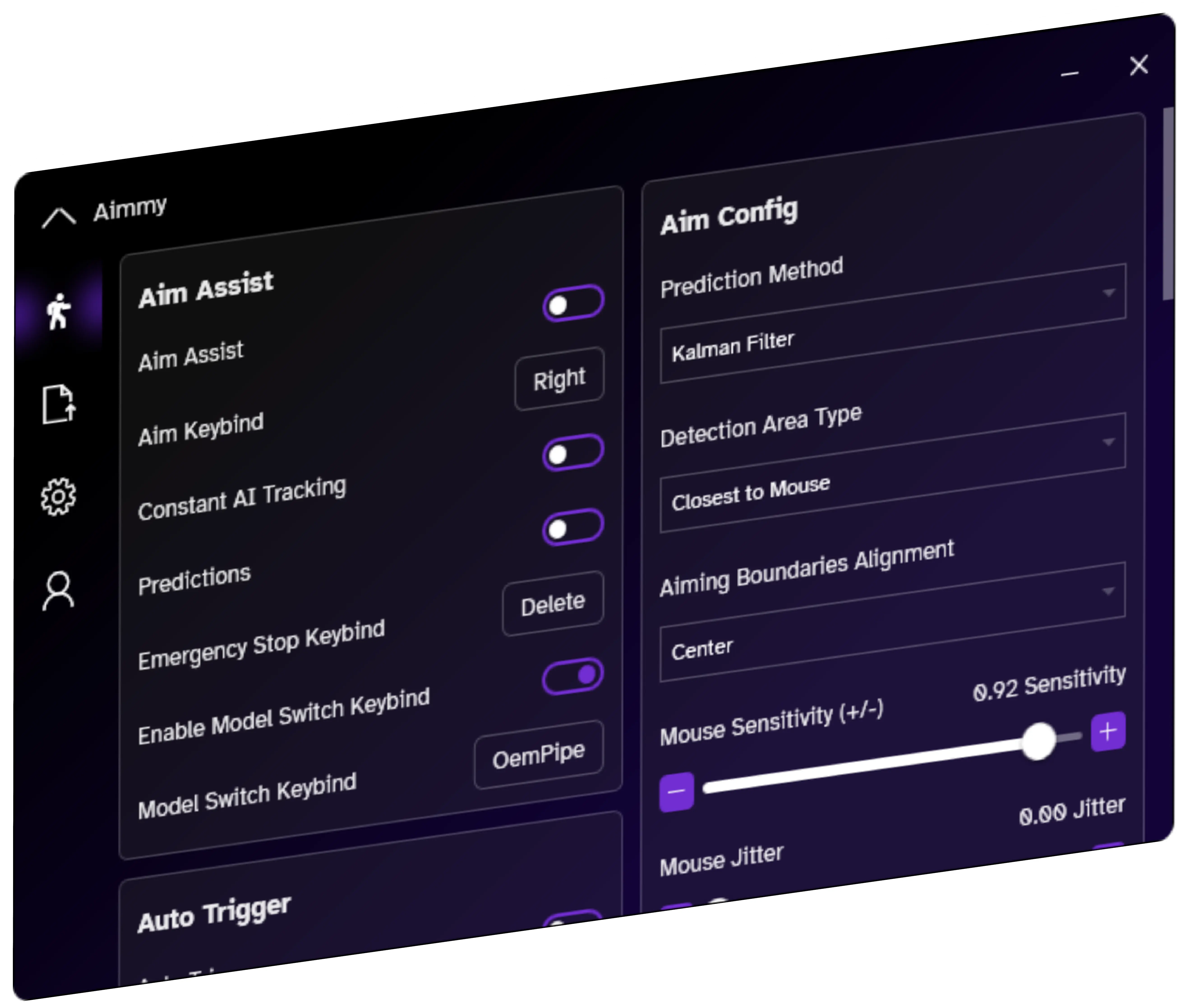
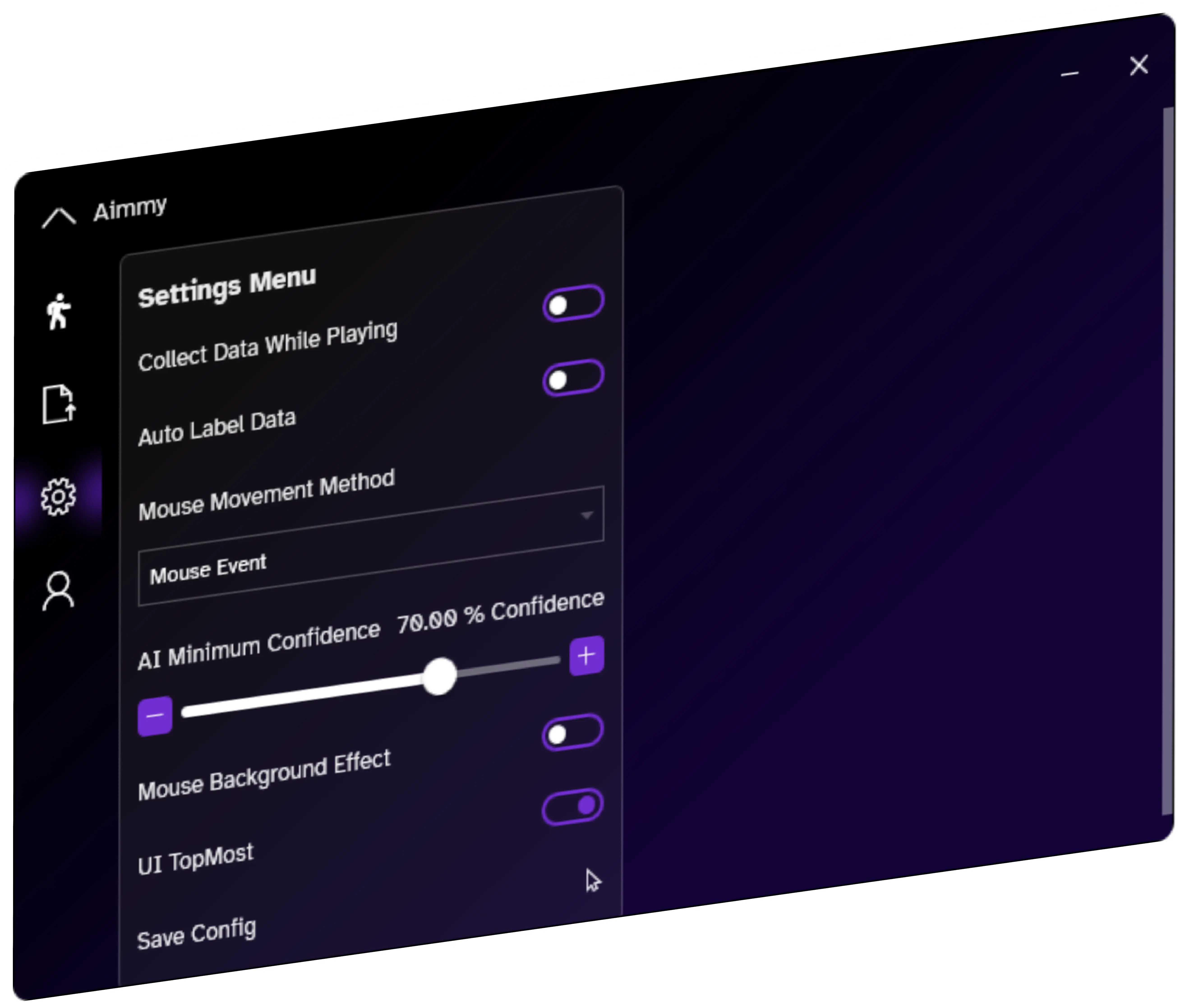
Aimmy contains over 40+ unique ways to tune your aiming, ranging from tweaks to Aim Positioning, to full features like Anti-Recoil and Detection ESP.
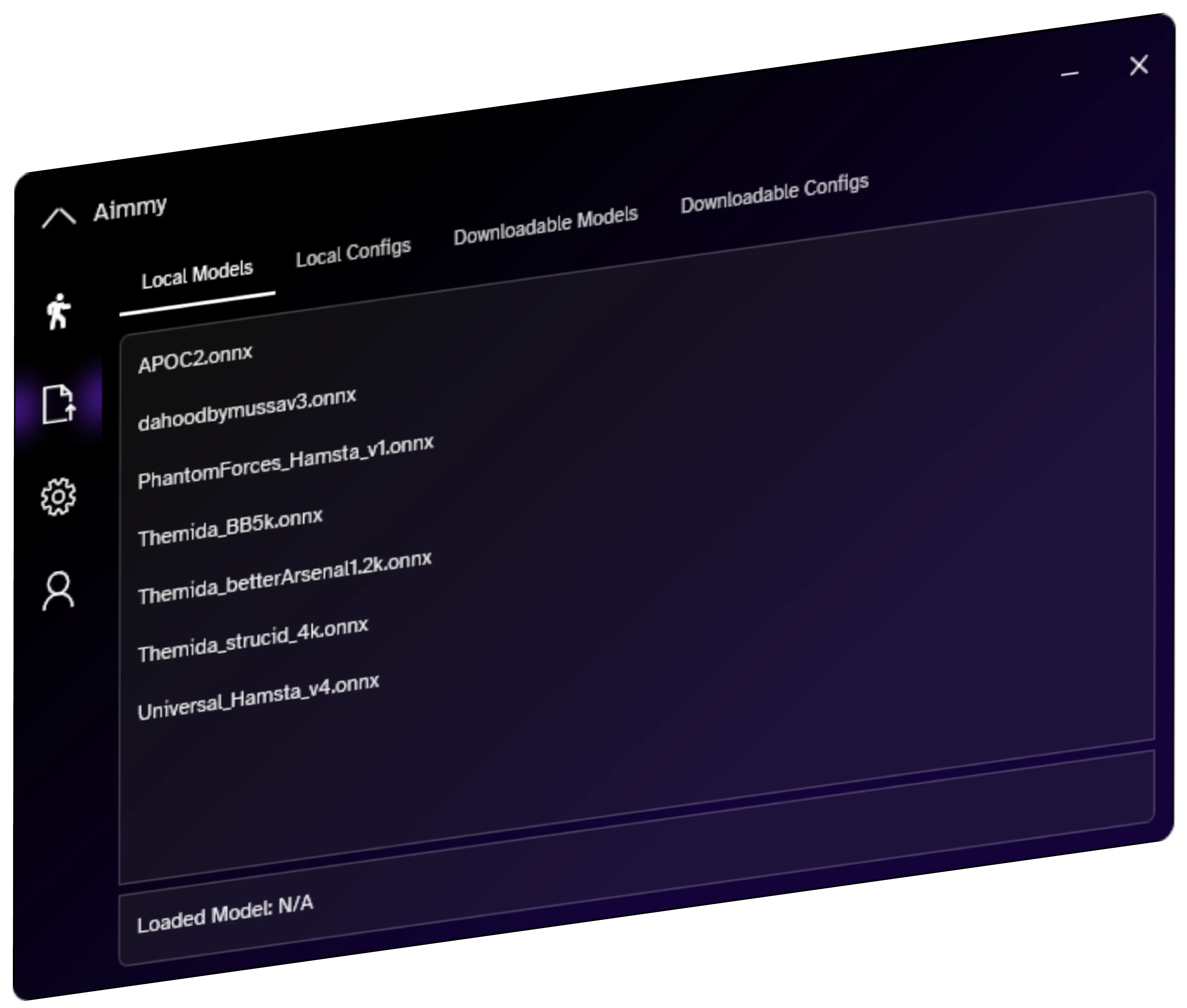
Utilizing Github Repositories, Aimmy allows you to upload models and configs into our store, and we even allow you to store repositories too!
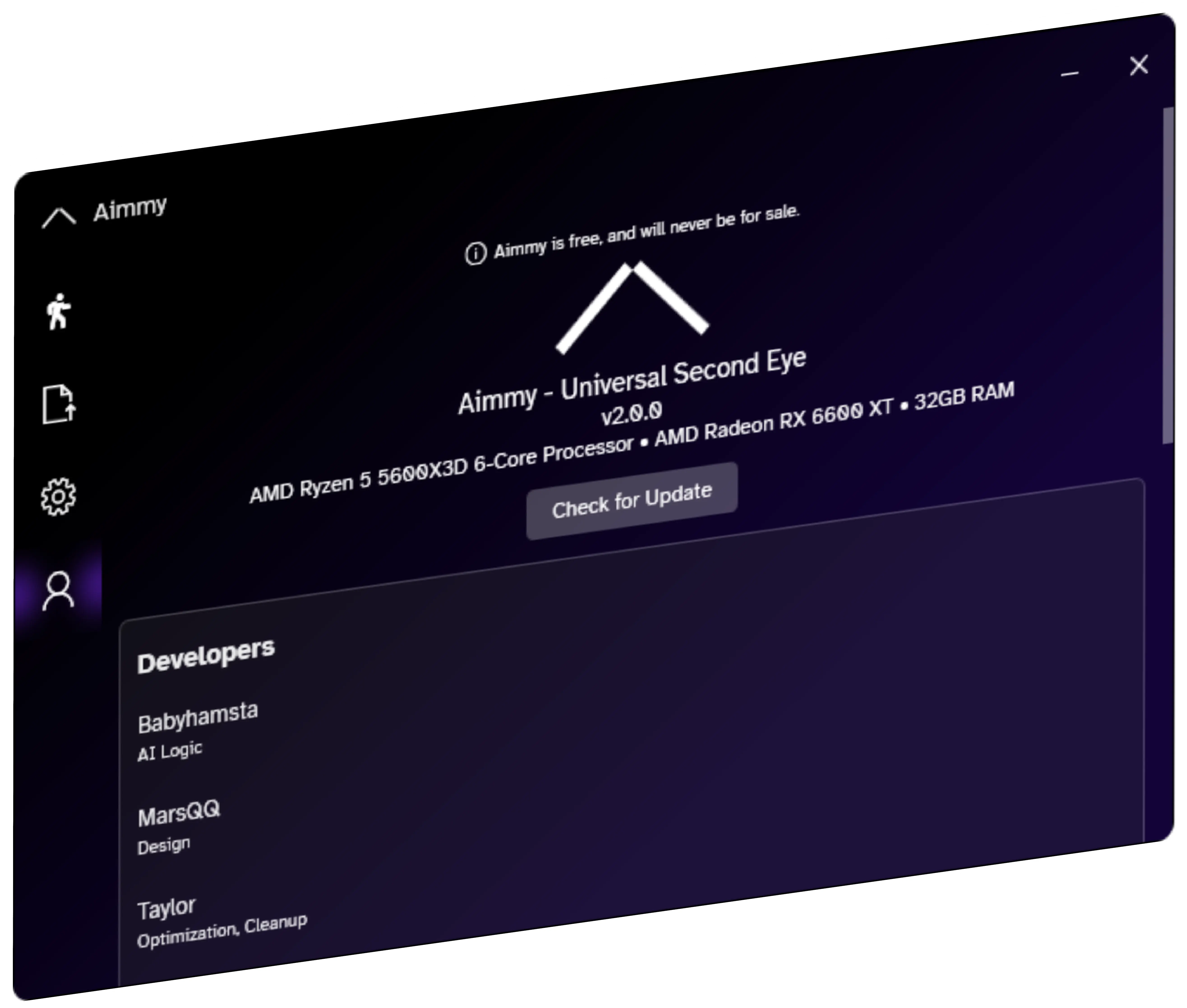
Aimmy provides constant, free OTA updates with a click of a button. All you have to do is press "Check for Update" and Aimmy will be updated!
The interaction between the series book (via ISBN) and BioOne (via digital object identifiers, or DOIs) highlights a key theme: . The ISBN-grounded series book provided authoritative, synthesised, and curated knowledge—a "snapshot in time." BioOne provided the dynamic, peer-reviewed, and rapidly disseminated data on which that synthesis was based. For an essay or research project on Australian natural history from this period, a best practice is to use both: cite the relevant series book (e.g., Beetles of Australia ) for foundational taxonomy and ecology, and supplement it with BioOne-sourced papers for recent range extensions, behavioural studies, or conservation status updates.
The period around 2010 represents a significant moment for Australian natural history publishing. It sits at a crossroads: still rooted in the grand tradition of descriptive, field-based naturalism, yet increasingly aware of the urgency driven by climate change, habitat loss, and the digital revolution in scholarly access. The key platforms for disseminating this knowledge—notably the scholarly database BioOne and the enduring medium of the book series—reveal how Australian natural history was both a local, tangible science and a globally connected enterprise.
However, by 2010, the traditional monograph faced a challenge: accessibility and discoverability. While the printed book remained authoritative, the real-time, searchable synthesis of species distribution and ecology was moving online. This is where (BioOne.org), a non-profit aggregator of scientific journals, played a transformative role. Although BioOne primarily hosts journal articles, its content from 2010 includes extensive review papers and data from institutions like the Royal Zoological Society of New South Wales and the Australian Entomological Society. A researcher using BioOne in 2010 could find, for instance, an update to the range of a beetle species described in the 2010 book—effectively using the journal database to supplement and correct the static series volume.
"As a professional gamer, precision is everything. Aimmy has been a game-changer for me. Its adaptive AI enhances my gameplay, making it smoother and more accessible. I've seen a significant improvement in my accuracy and speed."
"Aimmy isn't just a tool; it's a step towards inclusivity in gaming. Its customizable features empower gamers of all abilities. I've recommended it to many in the accessibility community, and the feedback has been overwhelmingly positive." australian natural history series books 2010 isbn bioone
"I love gaming, but sometimes the fast-paced action gets tough. Aimmy's assistive options have made my gaming sessions a lot more enjoyable. It adjusts to my pace and style, ensuring I can keep up without feeling overwhelmed." The interaction between the series book (via ISBN)
"Esports demands precision and skill. Aimmy's AI-driven assistance doesn't compromise that; instead, it enhances my abilities, giving me an edge in competitive gaming. It's become an indispensable part of my training routine." The period around 2010 represents a significant moment
"Finding tools that help my child fully engage in gaming has been a challenge. Aimmy's thoughtful design and diverse accessibility options have made gaming a delightful experience for my child. Thank you for creating something so impactful!"
"Aimmy isn't just beneficial during gameplay; it's a game-changer for content creation too. Its assistive features allow me to focus more on engaging with my audience while ensuring a high level of gameplay."
The interaction between the series book (via ISBN) and BioOne (via digital object identifiers, or DOIs) highlights a key theme: . The ISBN-grounded series book provided authoritative, synthesised, and curated knowledge—a "snapshot in time." BioOne provided the dynamic, peer-reviewed, and rapidly disseminated data on which that synthesis was based. For an essay or research project on Australian natural history from this period, a best practice is to use both: cite the relevant series book (e.g., Beetles of Australia ) for foundational taxonomy and ecology, and supplement it with BioOne-sourced papers for recent range extensions, behavioural studies, or conservation status updates.
The period around 2010 represents a significant moment for Australian natural history publishing. It sits at a crossroads: still rooted in the grand tradition of descriptive, field-based naturalism, yet increasingly aware of the urgency driven by climate change, habitat loss, and the digital revolution in scholarly access. The key platforms for disseminating this knowledge—notably the scholarly database BioOne and the enduring medium of the book series—reveal how Australian natural history was both a local, tangible science and a globally connected enterprise.
However, by 2010, the traditional monograph faced a challenge: accessibility and discoverability. While the printed book remained authoritative, the real-time, searchable synthesis of species distribution and ecology was moving online. This is where (BioOne.org), a non-profit aggregator of scientific journals, played a transformative role. Although BioOne primarily hosts journal articles, its content from 2010 includes extensive review papers and data from institutions like the Royal Zoological Society of New South Wales and the Australian Entomological Society. A researcher using BioOne in 2010 could find, for instance, an update to the range of a beetle species described in the 2010 book—effectively using the journal database to supplement and correct the static series volume.