




The app never failed again. But she never clicked that column icon without a half-second pause, a silent prayer, and a backup browser tab already open to Clio Web.
Now Clio demanded a fresh login. But she couldn’t log in, because the app wouldn’t stay open long enough to type her credentials.
She deleted the lockfile. Then she went to ~/Library/Saved Application State/ and deleted com.clio.desktop.savedState . Corrupted state data from a crash two weeks ago had been poisoning every launch attempt.
Instead of brute force, she switched to forensic calm. She opened Terminal. Navigated to ~/Library/Application Support/Clio/ . She saw a file: Lockfile . That shouldn’t be there. A lockfile means the app thinks it’s already running—even after a reboot.
Priya didn’t wait for the patch. She created a local script: kill_clio_lock.sh . She placed it on her desktop—not as a crutch, but as a reminder.
“Okay,” she whispered, tapping her pen against the desk. “We’ve been here before with other apps.”
The app never failed again. But she never clicked that column icon without a half-second pause, a silent prayer, and a backup browser tab already open to Clio Web.
Now Clio demanded a fresh login. But she couldn’t log in, because the app wouldn’t stay open long enough to type her credentials.
She deleted the lockfile. Then she went to ~/Library/Saved Application State/ and deleted com.clio.desktop.savedState . Corrupted state data from a crash two weeks ago had been poisoning every launch attempt.
Instead of brute force, she switched to forensic calm. She opened Terminal. Navigated to ~/Library/Application Support/Clio/ . She saw a file: Lockfile . That shouldn’t be there. A lockfile means the app thinks it’s already running—even after a reboot.
Priya didn’t wait for the patch. She created a local script: kill_clio_lock.sh . She placed it on her desktop—not as a crutch, but as a reminder.
“Okay,” she whispered, tapping her pen against the desk. “We’ve been here before with other apps.”
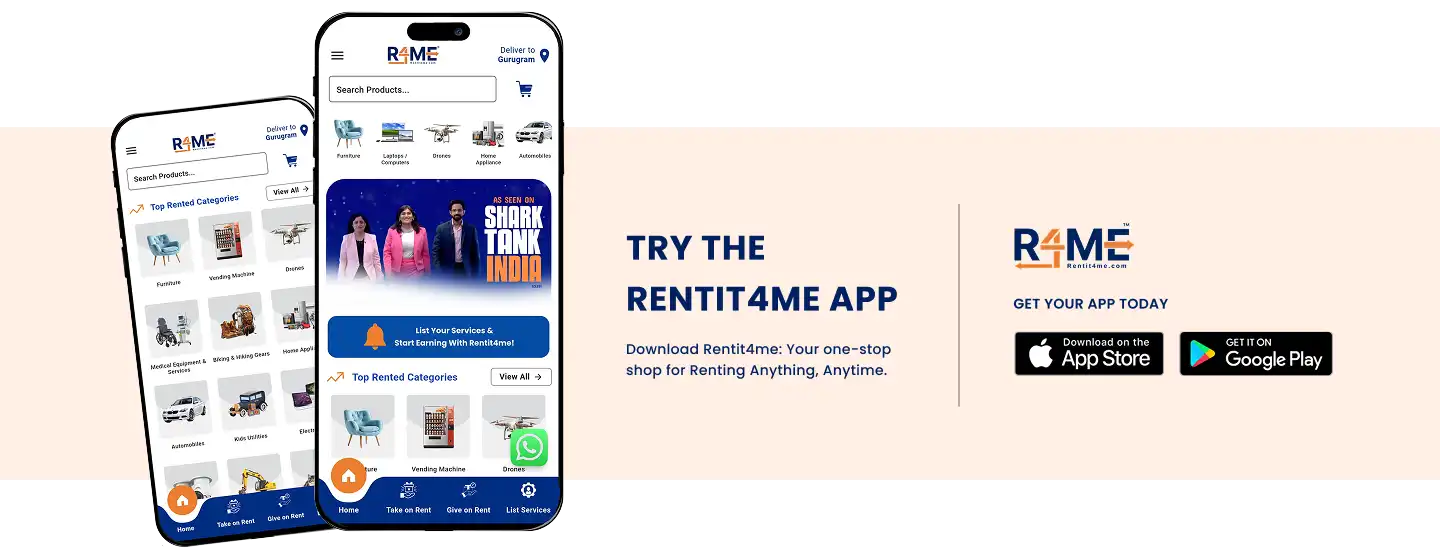
 Welcome to Rentit4me