
Your unfair advantage to profitable dropshipping
Your unfair advantage to profitable dropshipping
Your unfair advantage to profitable dropshippingAs Paris reopens after years of pandemic closures and construction, the établissement d’en face has never been more vital. It is the buffer zone. The second living room. The rival who keeps you honest.
“It’s a silent conversation,” explains Jean-Pierre Moreau, 68, a retired baker who has been drinking his morning espresso at Le Progrès in the 20th arrondissement for forty years. “Le Progrès is my chair at home. But L’Avenir ? That’s the neighbor’s house. You visit the neighbor when you want to gossip about your own family.”
For feuding friends or divorcing couples, the établissement d’en face is sacred. “You cannot sit in our café if you are fighting with me,” says Sophie, a bookseller. “But you can sit across the street. We can glare at each other through the window. It’s civil.” A Window on the Soul But the most profound role of the établissement d’en face is that of the observer. From across the street, you see your own life differently. You watch the regulars at your usual spot stumble out, smoke, laugh, argue. You see the waiter who knows your name ignoring a tourist. You see the table where you had your heart broken last spring.
It means rivalry. It means refuge. It means the place you go when your usual spot is too full, too loud, or too familiar. The établissement d’en face is not just a geographical location; it is a social institution. It is the yin to every local café’s yang, the mirror image that defines the character of a quartier. To understand the magic of the place across the street, you must first understand the Parisian angle . Unlike the endless, grid-like avenues of Manhattan or the suburban strip malls of America, Parisian boulevards are intimate. They are just wide enough for two lanes of traffic, a bike lane, and a sliver of terrace. This proximity creates a unique dynamic: from your zinc counter, you can literally read the specials board of the place opposite.


Horizon Shopify Theme

Dawn Shopify Theme

Spotlight Shopify Theme

Craft Shopify Theme

Ride Shopify Theme

Studio Shopify Theme
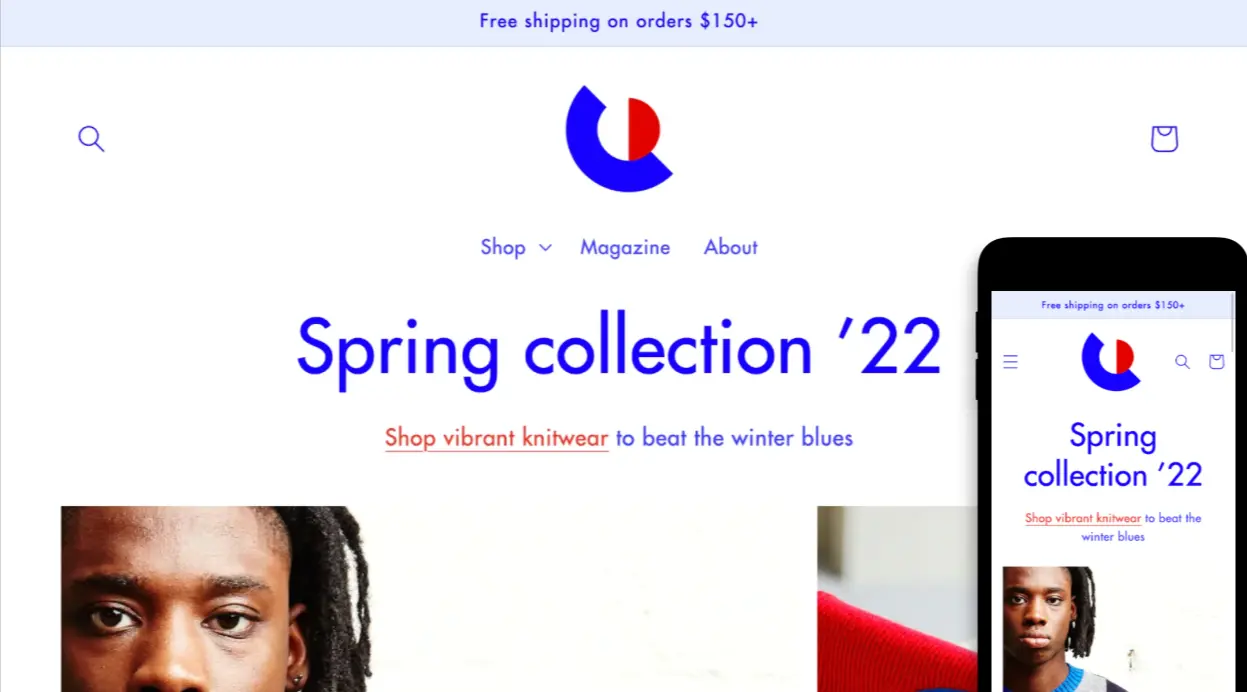
ColorBlock Shopify Theme

Multifly Shopify Theme
Further Reading
As Paris reopens after years of pandemic closures and construction, the établissement d’en face has never been more vital. It is the buffer zone. The second living room. The rival who keeps you honest.
“It’s a silent conversation,” explains Jean-Pierre Moreau, 68, a retired baker who has been drinking his morning espresso at Le Progrès in the 20th arrondissement for forty years. “Le Progrès is my chair at home. But L’Avenir ? That’s the neighbor’s house. You visit the neighbor when you want to gossip about your own family.” etablissement d'en face
For feuding friends or divorcing couples, the établissement d’en face is sacred. “You cannot sit in our café if you are fighting with me,” says Sophie, a bookseller. “But you can sit across the street. We can glare at each other through the window. It’s civil.” A Window on the Soul But the most profound role of the établissement d’en face is that of the observer. From across the street, you see your own life differently. You watch the regulars at your usual spot stumble out, smoke, laugh, argue. You see the waiter who knows your name ignoring a tourist. You see the table where you had your heart broken last spring. As Paris reopens after years of pandemic closures
It means rivalry. It means refuge. It means the place you go when your usual spot is too full, too loud, or too familiar. The établissement d’en face is not just a geographical location; it is a social institution. It is the yin to every local café’s yang, the mirror image that defines the character of a quartier. To understand the magic of the place across the street, you must first understand the Parisian angle . Unlike the endless, grid-like avenues of Manhattan or the suburban strip malls of America, Parisian boulevards are intimate. They are just wide enough for two lanes of traffic, a bike lane, and a sliver of terrace. This proximity creates a unique dynamic: from your zinc counter, you can literally read the specials board of the place opposite. The rival who keeps you honest