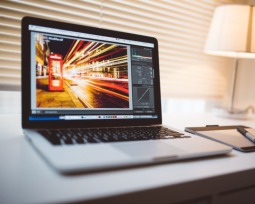
__exclusive__ — Free Timelapse Software
Of course, free software comes with trade-offs. Advanced features like motion-control panning, raw image processing, or commercial-use licenses are often locked behind paywalls. Deflickering, in particular, remains a weak spot—while tools like offer unparalleled solutions, they are paid. Free alternatives may require manual adjustments or external plugins.
The undisputed champion of free, open-source timelapse software is . More than just a video editor, OpenShot features a dedicated timelapse workflow. You can import a sequence of images (e.g., “IMG_001.jpg” to “IMG_999.jpg”), and it will automatically interpret them as a video clip. Its key strengths for timelapse include support for high-resolution images (4K and beyond), an intuitive drag-and-drop interface, and essential filters for color correction and stabilization. While it lacks advanced deflicker algorithms, its sheer versatility and cross-platform availability (Windows, Mac, Linux) make it an excellent starting point.
If simplicity is your priority, (the free version) offers a streamlined solution. Limited to 720p output, it nonetheless provides a dedicated deflicker filter, the ability to change playback speed, and a straightforward preview window. It’s perfect for quick social media clips or learning the fundamentals. Similarly, FFmpeg —a command-line powerhouse—is the hidden engine behind many GUI tools. A single command like ffmpeg -framerate 24 -pattern_type glob -i '*.jpg' -c:v libx264 output.mp4 can assemble hundreds of images in seconds, though it requires comfort with text-based interfaces. free timelapse software
In conclusion, free timelapse software has democratized a once-niche technique. From the accessible OpenShot to the formidable DaVinci Resolve, there is a tool for every skill level and project. The next time you watch clouds race across the sky or a city light up at dusk, remember: you have the software to capture that magic. All it takes is a camera, a tripod, and the willingness to watch time fly.
Yet, these limitations are minor compared to the opportunities unlocked. A student documenting a plant’s growth, a traveler capturing a bustling market, or a DIYer recording a room renovation—all can achieve professional-looking results without spending a dime. The true cost is patience: learning the software, experimenting with intervals, and embracing trial and error. Of course, free software comes with trade-offs
For photographers seeking granular control, is a professional-grade titan available for free. Though its interface is daunting, Resolve includes the “Fusion” tab, where you can build node-based workflows to deflicker, denoise, and even add motion blur to your timelapse sequences. Its optical flow tools can intelligently create slow-motion effects, and its color grading is industry-leading. The catch? It has a steep learning curve and demands a powerful computer. But for the dedicated hobbyist, Resolve transforms timelapse into a cinematic art form.
At its core, timelapse creation is simple: take a series of photos at a set interval, then stitch them together into a video. The magic, however, lies in the software’s ability to handle challenges like flickering light (caused by changing aperture or sunlight), massive file sizes, and the need for precise frame rates. Free software has evolved to meet these challenges head-on, often rivaling paid alternatives. Free alternatives may require manual adjustments or external
In an era where visual storytelling reigns supreme, the timelapse has emerged as a uniquely captivating technique. By compressing hours, days, or even seasons into seconds, it reveals the hidden rhythms of our world—a flower blooming, a city bustling, or a sunset painting the sky. Yet, for a long time, creating a smooth, high-quality timelapse felt like a privilege reserved for professionals with expensive cameras and software. Fortunately, that barrier has crumbled. Today, a suite of powerful, free timelapse software places this creative superpower into anyone’s hands.