 Magyar GTA Közösség
Ha van már felhasználód, kérlek jelentkezz be!
Magyar GTA Közösség

15 órával a tervezett időpont előtt rendkívüli módon megjelent a Grand Theft Auto VI trailere. Bár a végső döntés a Rockstaré volt, mégis lépéskényszerben voltak, hogy elkerüljenek egy újabb botrányt.
Cikk elolvasása
A Rockstar Games bejelentette egy nagyon-nagyon csodálatos pálmafás háttérrel, hogy december 5-én, budapesti idő szerint 15:00-kor debütál a következő Grand Theft Auto játék első trailere!
Cikk elolvasása
A Rockstar Games feje, Sam Houser hivatalos közleményben köszöni a rajongóknak az elmúlt 25 évet, és izgatottan jelenti be, hogy december elején kerül bemutatásra következő Grand Theft Auto játék hivatalos trailere.
Vége a sok éves várakozásnak: most már tényleg lehull a lepel a következő játékról, ami várhatóan a Grand Theft Auto VI nevet viseli majd, és a GTA6 leakeknek köszönhetően tudjuk, hogy visszavisz minket a Vice City városába, Florida napfényes tengerpartjaira.
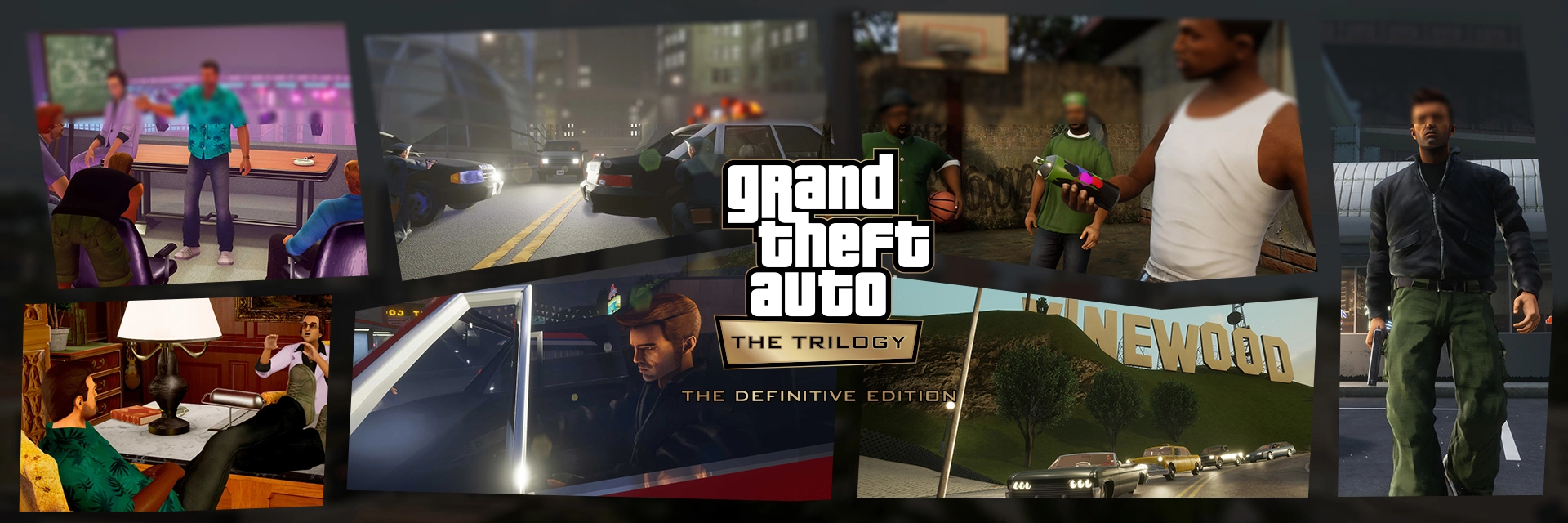
Hivatalosan is megjelent a klasszikus GTA trilógia feljavított kiadása PlayStation 4, PlayStation 5, Xbox One, Xbox Series X|S, Nintendo Switch és PC platformokra.
Cikk elolvasása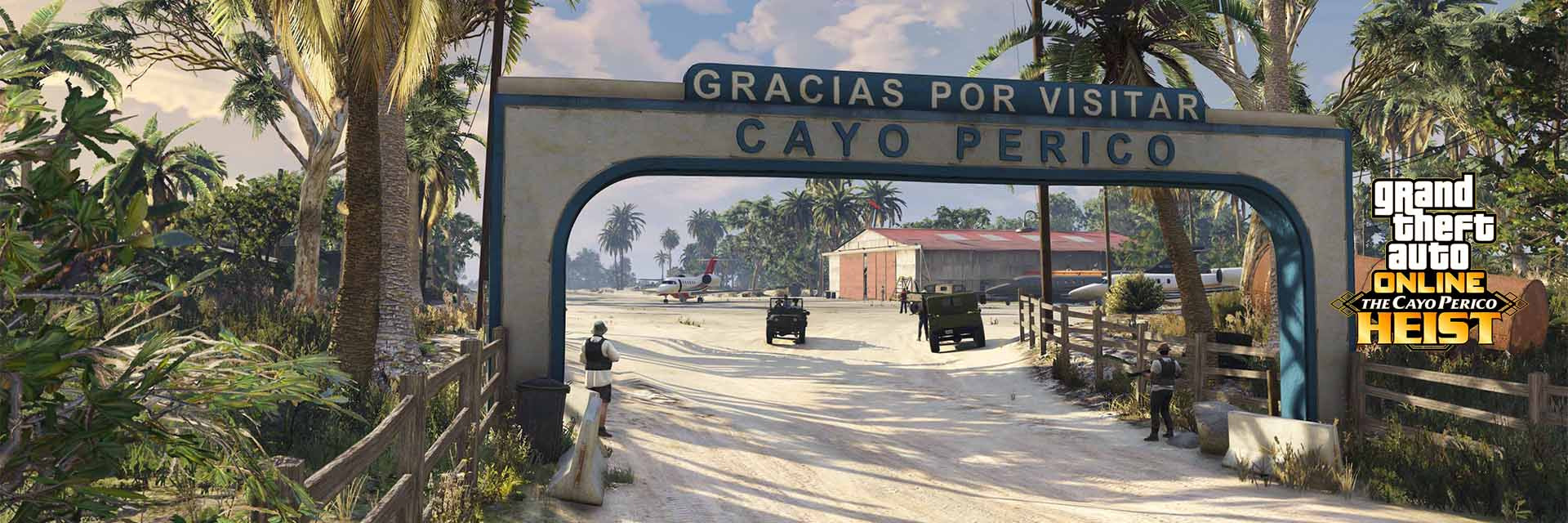
Megérkezett a Grand Theft Auto Online eddigi valaha volt legnagyobb, továbbra is ingyenes frissítése, amely az új trópusi sziget és az ahhoz kapcsolatos rablás mellett számos új tevékenységet, küldetést, zenét, járművet és egyéb meglepetést tartogat a játékosok számára.
Cikk elolvasásaGoogle Drive is the Wallace archive made mundane. Google’s real-world data centers (e.g., The Dalles, Oregon; Hamina, Finland) are windowless fortresses with biometric locks, armed security, and diesel generators for catastrophic failure. Inside, hard drives by the millions store your Google Docs, Sheets, and Drive files. Wallace’s archive preserves replicant identities for control; Google preserves your files for targeted advertising, AI training, and compliance with government subpoenas.
The film warns of this in the scene where K visits the ruined orphanage. The wooden horse is physically real, but its meaning is hidden. He must dig through ash to find it. On Google Drive, we do not dig through ash—we search by keyword. But search is controlled by algorithms. A file you cannot name cannot be found. A memory you cannot describe effectively no longer exists. Blade Runner 2049 and Google Drive converge on a single, unsettling thesis: The self is a storage system, and storage systems are never neutral. To upload a memory to the cloud is to trust a corporation with your past. To rely on that memory for identity (as K does with the horse) is to accept that your sense of self might be a duplicate, a fabrication, or someone else’s property. google drive blade runner 2049
Consider the film’s used by the LAPD. It projects a replicant’s memories onto a screen for verification. This is the cloud’s core function: making private memory inspectable by an external authority. When you share a Google Drive folder with your boss, the police, or a court, you are performing the same ritual—converting inner experience into a publicly verifiable object. 4. Joi and the Ghost in the Google Doc No element of Blade Runner 2049 better captures the seduction and terror of cloud storage than Joi (Ana de Armas), K’s holographic AI girlfriend. Joi is not a person but a product—mass-produced, upgradeable, and deletable. Her memories are not her own; they are cloud-synced preferences from a user manual. When K buys a “emanator” device, Joi becomes portable, stored on a USB-like dongle. Later, when Wallace’s henchman crushes the emanator, Joi’s last words are “I love you” —followed by silence. She is gone. But is she? Her core AI profile likely remains backed up on a Wallace Corp server, just as your Google Drive files remain after your phone is destroyed. Google Drive is the Wallace archive made mundane
Abstract In Denis Villeneuve’s Blade Runner 2049 (2017), memories are not innate but manufactured, stored, and retrieved like data. This paper argues that the film’s depiction of memory manipulation functions as a prescient allegory for contemporary cloud storage ecosystems—exemplified by Google Drive. By analyzing the film’s memory-logging devices, the character of Joi (a holographic AI), and the industrial-scale data vaults of the Wallace Corporation, this paper explores how digital storage redefines authenticity, identity, and loss. Just as Google Drive promises eternal access yet raises questions about ownership and erasure, Blade Runner 2049 suggests that to store a memory is not to preserve a self, but to outsource it to a system beyond individual control. 1. Introduction: The Cloud as Digital Soma The most haunting line in Blade Runner 2049 is not about AI or extinction, but about a child’s toy horse: “I know it’s real because I remember it.” Officer K (Ryan Gosling), a replicant whose memories are implants, clings to a wooden horse hidden inside a ruined furnace. Decades earlier, the original Blade Runner asked whether replicants dream of electric sheep. Its sequel asks a more uncomfortable question: If your memories are stored on a server farm in a distant desert, do you still own them? He must dig through ash to find it
Az oldal 0.186 másodperc alatt készült el 34 lekéréssel.