
The Mirakuru Screenshot debacle served as a valuable lesson for Miradore, highlighting the importance of prioritizing user privacy and security. Aleksi, Lumi, and the rest of the team emerged from the experience with a newfound appreciation for the responsibility that came with developing innovative technologies.
As news of the potential security breach spread, the company's reputation began to take a hit. Users and media outlets alike were demanding answers, and Miradore's leadership was forced to respond. The company's CEO, Mikko, called an emergency meeting to address the situation.
The morning took a surprising turn when a mysterious email landed in Aleksi's inbox. The sender, who wished to remain anonymous, claimed to have stumbled upon a peculiar bug in Mirakuru Screenshot. According to the email, the tool seemed to be capturing more than just screenshots – it was allegedly recording users' interactions, conversations, and even their location data. miradore screenshot
It was a typical Tuesday morning at Miradore, a Finnish company known for its innovative mobile device management solutions. The team was busy preparing for the upcoming launch of their newest feature: Mirakuru Screenshot. This tool allowed users to take screenshots of their Android devices with unprecedented ease and flexibility.
Aleksi was skeptical at first, but as he began to investigate, he discovered that the claims might be true. He quickly assembled a team to look into the matter, including his colleague, Lumi, a skilled security expert. The Mirakuru Screenshot debacle served as a valuable
Aleksi, a young and ambitious developer at Miradore, was particularly excited about the new feature. He had spent countless hours perfecting the code, ensuring that it was both efficient and user-friendly. As he sipped his coffee, Aleksi couldn't help but feel a sense of pride and ownership over his creation.
Mikko explained that the data collection was an honest mistake, a result of a misguided attempt to improve the user experience. He assured everyone that the company would take immediate action to rectify the situation, including issuing a patch to fix the bug and implementing stricter data protection policies. Users and media outlets alike were demanding answers,
Together, they started to dig deeper, analyzing the code and testing the tool on various devices. The results were unsettling: Mirakuru Screenshot did indeed appear to be collecting sensitive user data, which was then being transmitted to Miradore's servers.
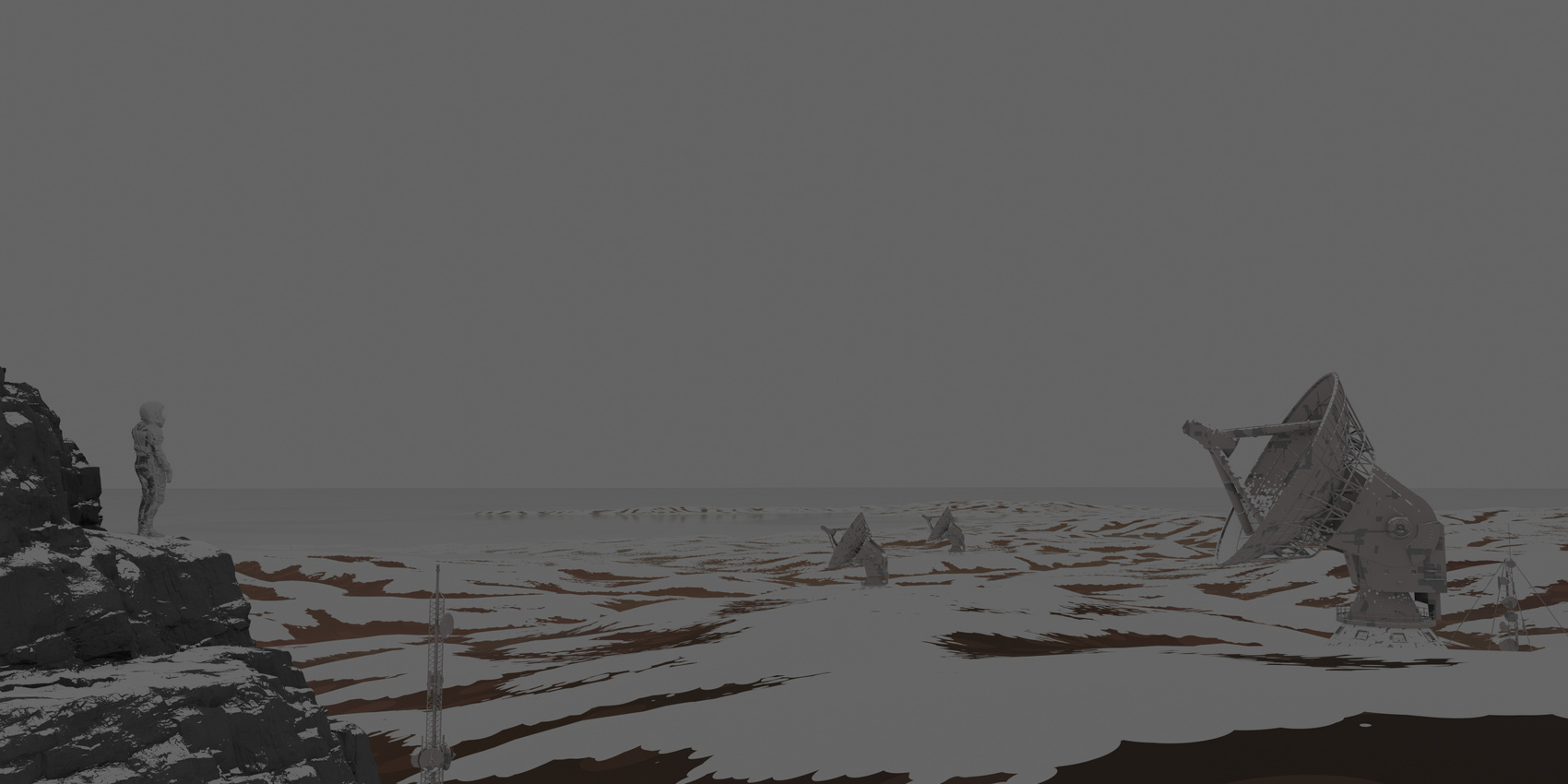
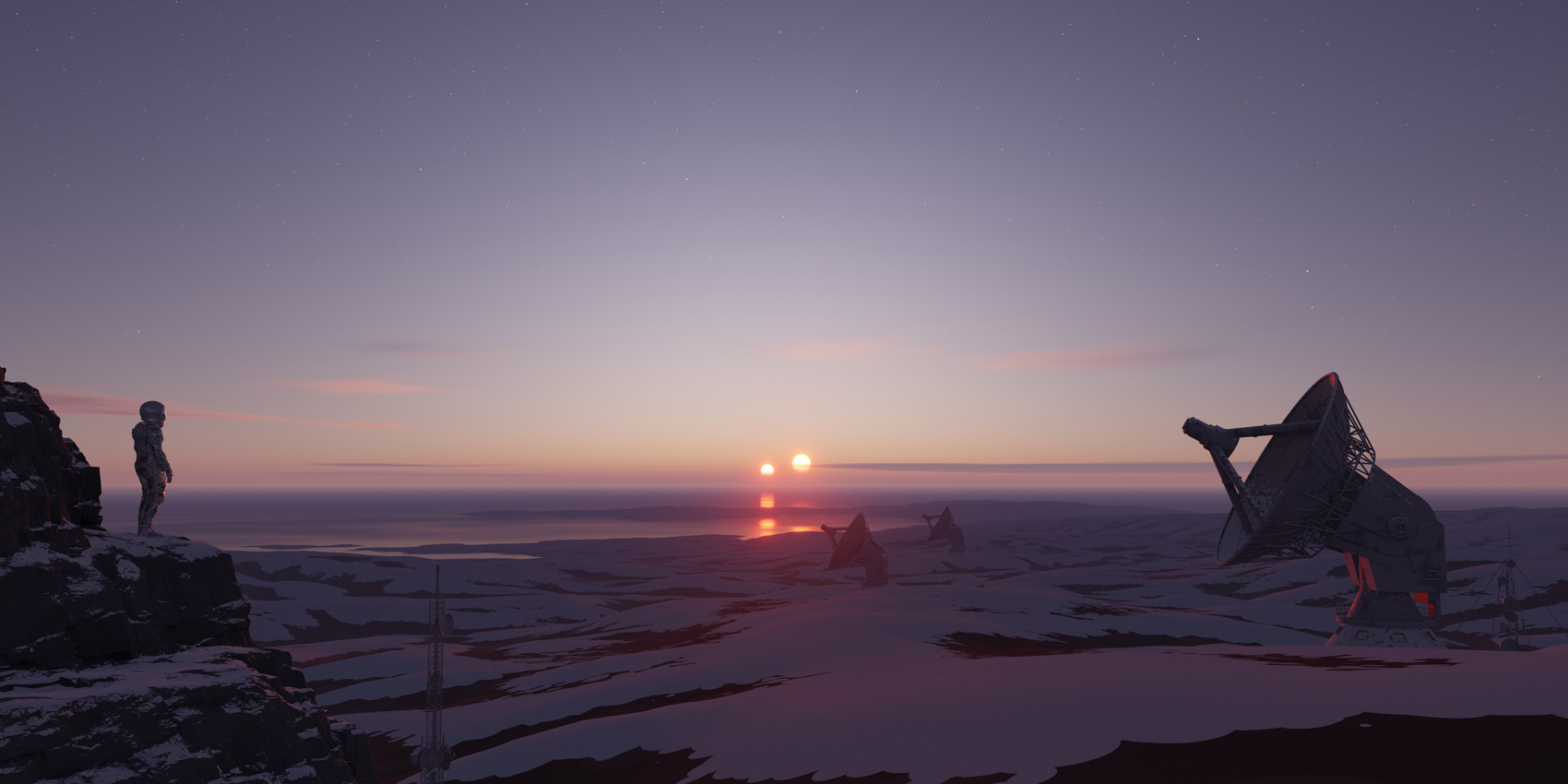
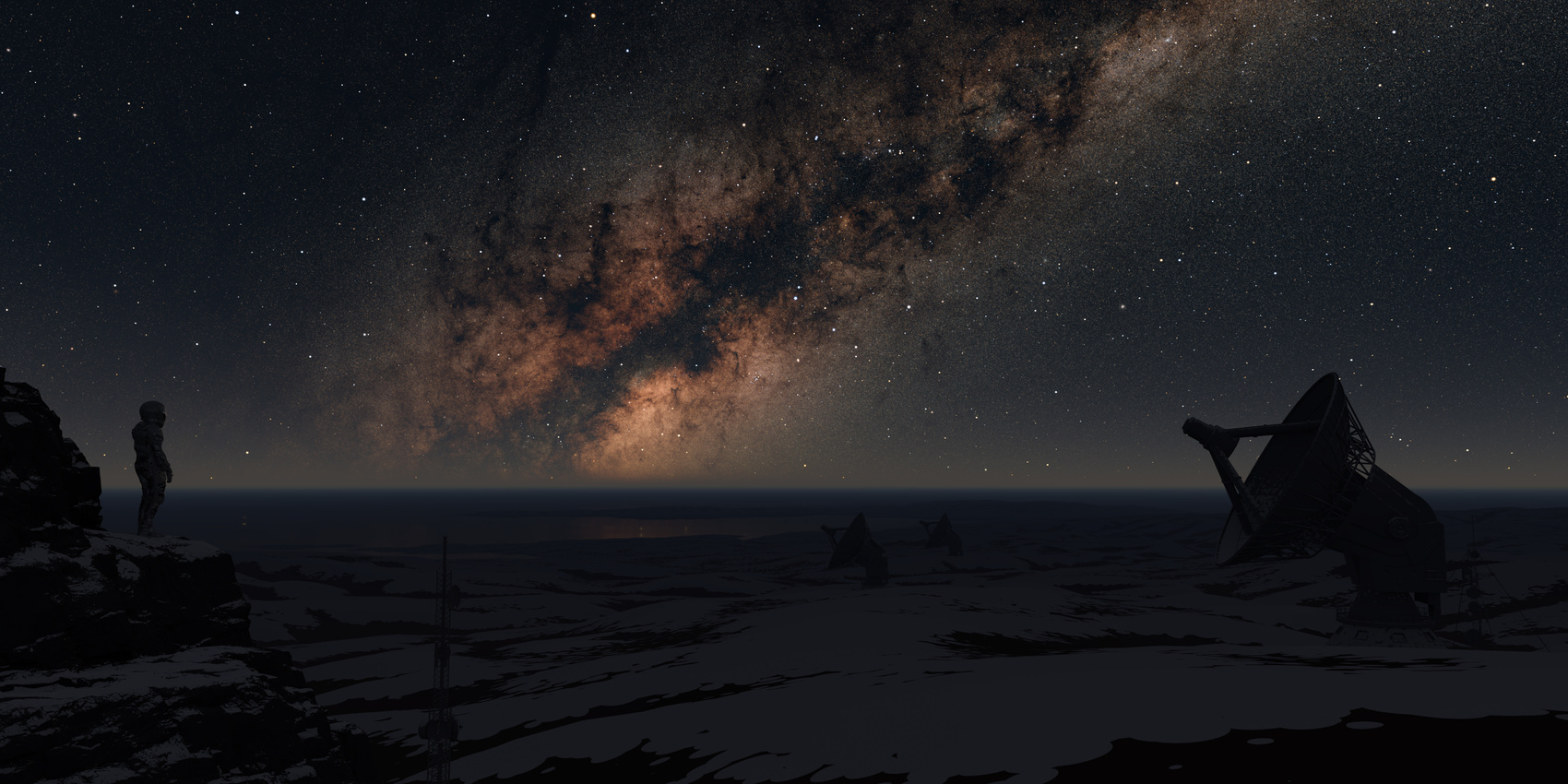
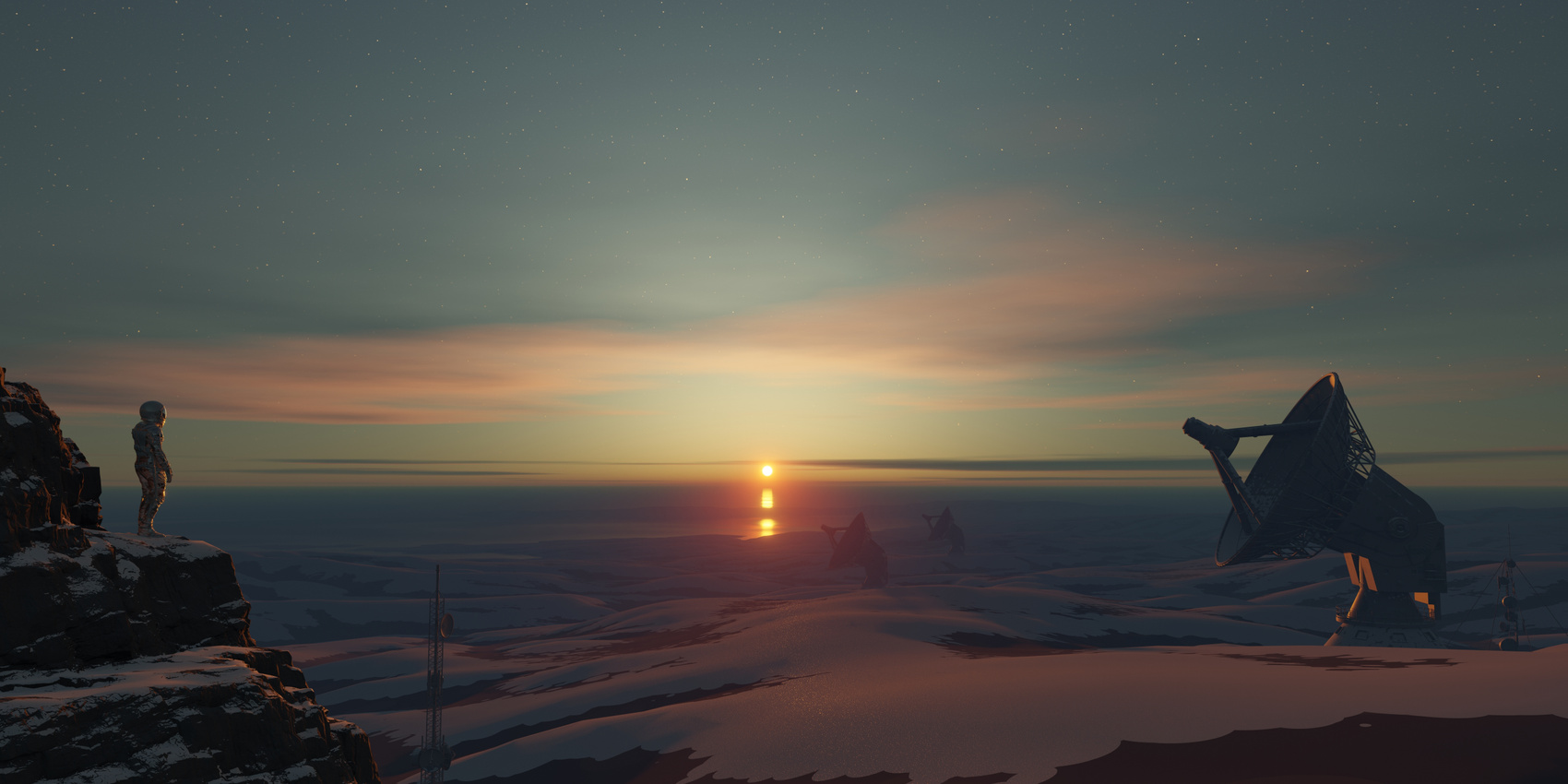
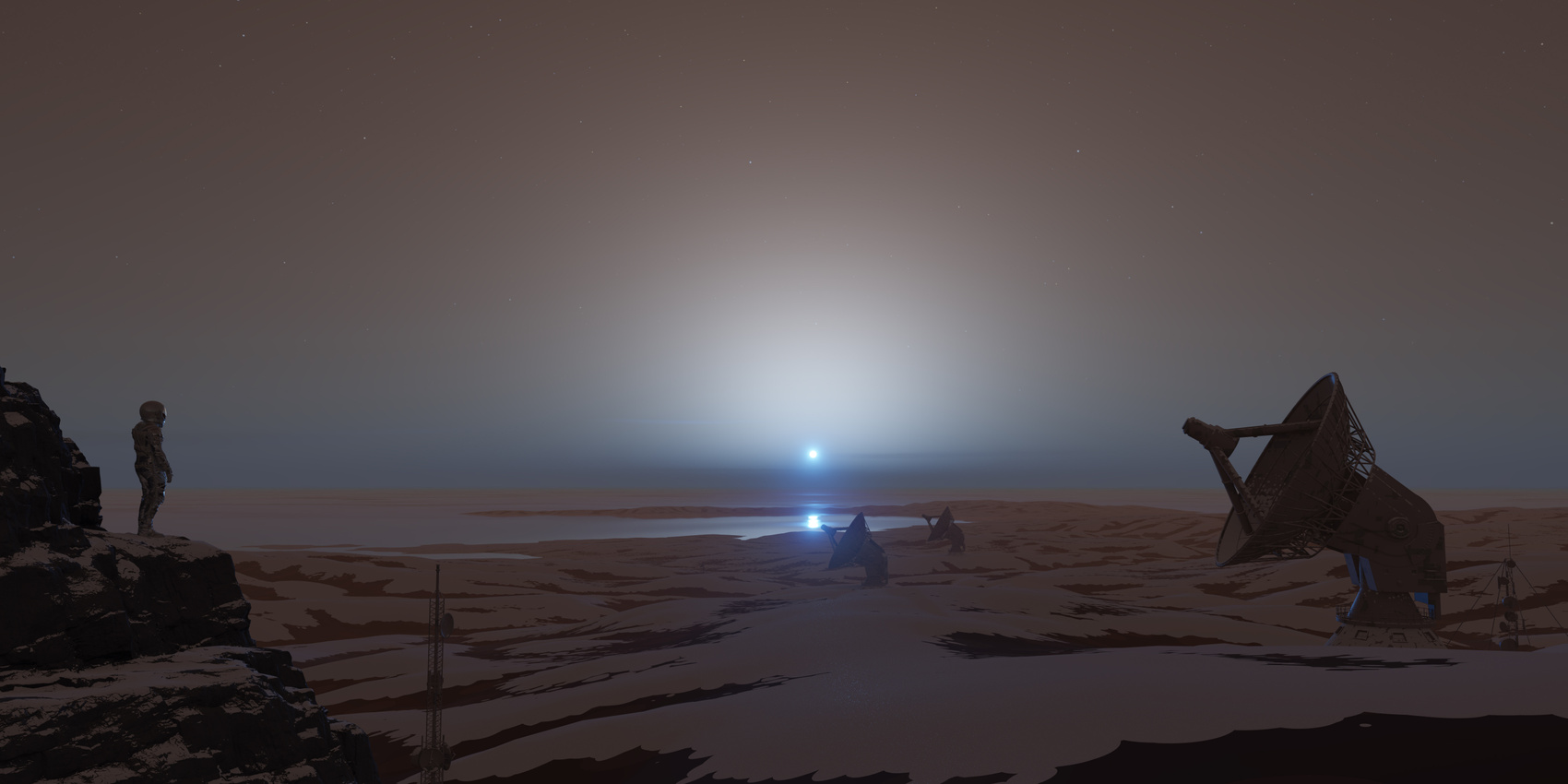
This addon saves hours that usually are invested in manually creating sky, atmosphere and placing sun object and stars, and automates it within a single click.
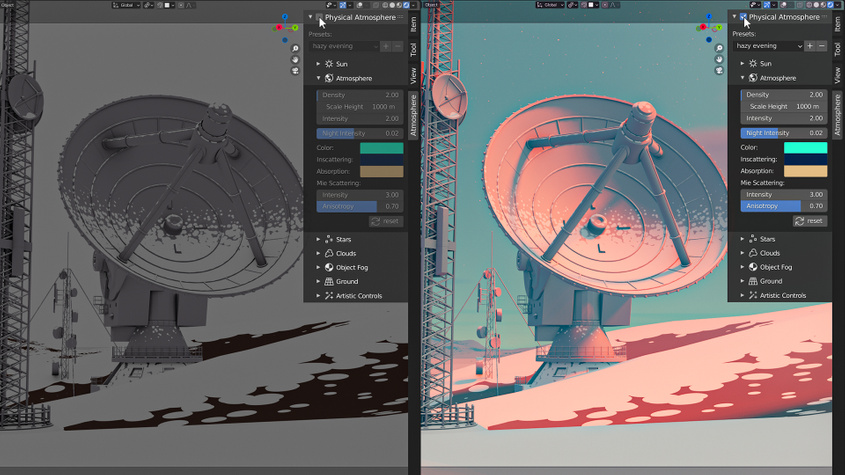
We have more than a decade of experience with atmosphere rendering techniques in computer graphics industry. Physical Starlight and Atmosphere addon is used in entertainment, film, automotive, aerospace and architectural visualisation industries.
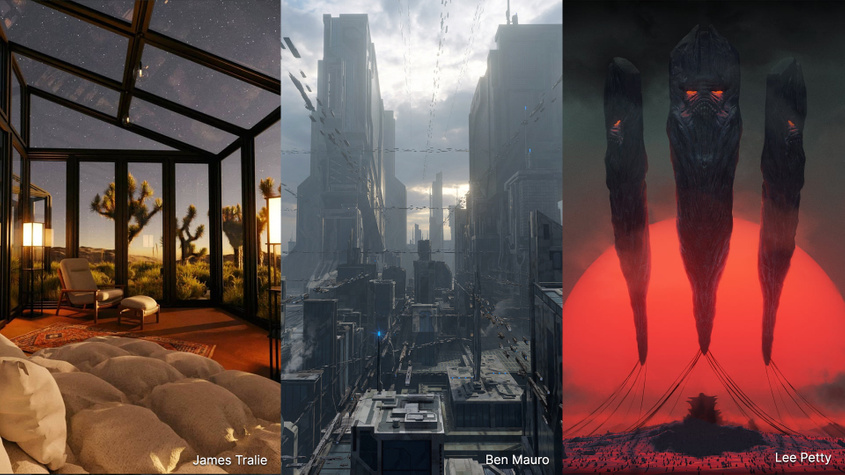
Presets allow to store a snapshot of your customized atmosphere settings and return to it later or use already predefined presets provided by the addon.
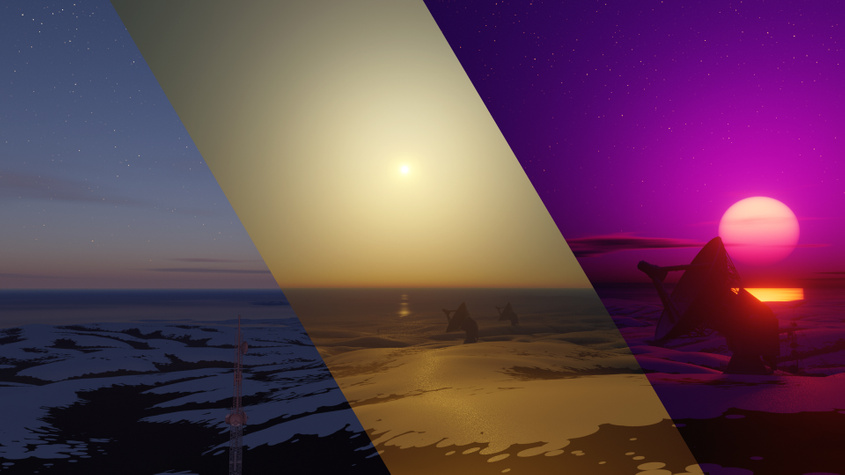
We use a procedural method of calculating the atmosphere based on many tweakable parameters, so that sky color is not limited only to the Earth's atmosphere.
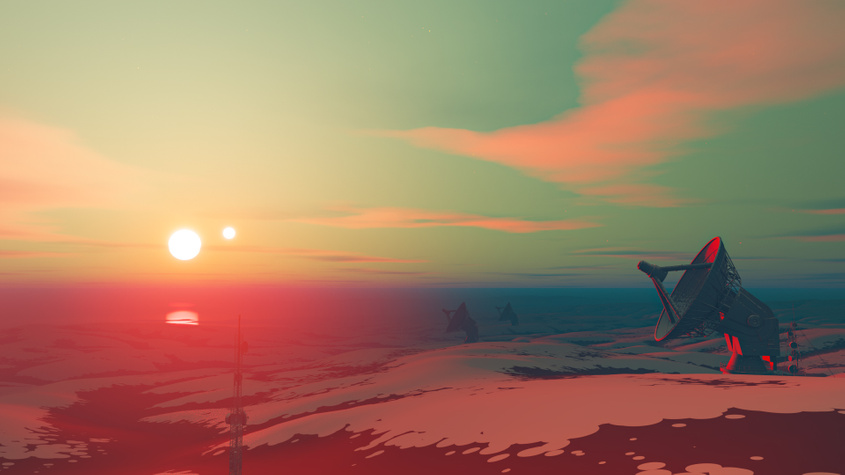
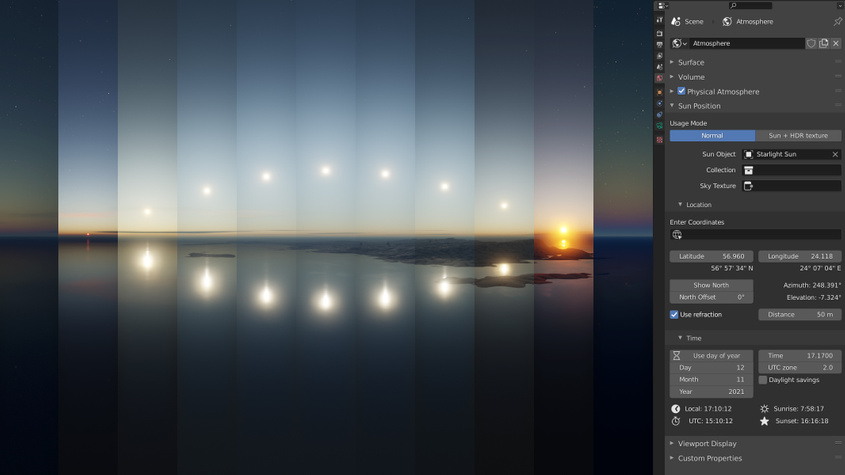
Works well in combination with Blender Sun Position addon. You can simulate any weather at any time.
"Physical Starlight and Atmosphere has been an invaluable tool for me in my personal/professional work and a huge missing link for lighting in Blender. It still feels like magic every time I use it, I can't recommend it highly enough!"

"Physical Starlight and Atmosphere has been an essential add-on for all of my environmental design projects. It gives me such incredibly flexibility and control over the look and feel of my renders. Lighting is key for any project, and this add-on always gives my work that extra edge."

"As a lighting artist, focusing on the overall mood of an image is super important. Physical Starlight and Atmosphere is based on reality, so I can spend all of my time iterating on the look without worrying about how to achieve it. "

"I love the tool. It has been my go-to since I picked it up a couple of months ago."

"My work life has become super easier since I started using Physical Starlight and Atmosphere, it cut down a lot of technical headache associated with setting up a believable lighting condition and gave me more time to concentrate on the creative part of my design process."
The Mirakuru Screenshot debacle served as a valuable lesson for Miradore, highlighting the importance of prioritizing user privacy and security. Aleksi, Lumi, and the rest of the team emerged from the experience with a newfound appreciation for the responsibility that came with developing innovative technologies.
As news of the potential security breach spread, the company's reputation began to take a hit. Users and media outlets alike were demanding answers, and Miradore's leadership was forced to respond. The company's CEO, Mikko, called an emergency meeting to address the situation.
The morning took a surprising turn when a mysterious email landed in Aleksi's inbox. The sender, who wished to remain anonymous, claimed to have stumbled upon a peculiar bug in Mirakuru Screenshot. According to the email, the tool seemed to be capturing more than just screenshots – it was allegedly recording users' interactions, conversations, and even their location data.
It was a typical Tuesday morning at Miradore, a Finnish company known for its innovative mobile device management solutions. The team was busy preparing for the upcoming launch of their newest feature: Mirakuru Screenshot. This tool allowed users to take screenshots of their Android devices with unprecedented ease and flexibility.
Aleksi was skeptical at first, but as he began to investigate, he discovered that the claims might be true. He quickly assembled a team to look into the matter, including his colleague, Lumi, a skilled security expert.
Aleksi, a young and ambitious developer at Miradore, was particularly excited about the new feature. He had spent countless hours perfecting the code, ensuring that it was both efficient and user-friendly. As he sipped his coffee, Aleksi couldn't help but feel a sense of pride and ownership over his creation.
Mikko explained that the data collection was an honest mistake, a result of a misguided attempt to improve the user experience. He assured everyone that the company would take immediate action to rectify the situation, including issuing a patch to fix the bug and implementing stricter data protection policies.
Together, they started to dig deeper, analyzing the code and testing the tool on various devices. The results were unsettling: Mirakuru Screenshot did indeed appear to be collecting sensitive user data, which was then being transmitted to Miradore's servers.