is their flagship project in Thane. It is massive, it is planned, and it is mature. The "A Wing" represents the final (and often best) piece of the puzzle—the phase where the developers have learned from previous residents' feedback and perfected the formula. Part 2: Location Analysis – The Thane Goldilocks Zone One of the biggest hurdles for Thane real estate has always been connectivity. Many projects claim to be "close to Mumbai," only to leave you stuck in the Kapurbawli junction for an hour.
Disclaimer: This is a review blog based on market research and site visits. Prices and specifications are subject to change. Please conduct your own due diligence or consult a legal advisor before making a purchase.
Nestled in the verdant heart of Thane, the "A Wing" of Rustomjee Seasons isn't just another residential tower; it is a manifesto for how Mumbaikars want to live post-2020. If you have been searching for a home that balances the hustle of the Maximum City with the serenity of a hill station, this is the review you need to read.
When we talk about luxury real estate in the Mumbai Metropolitan Region (MMR), the conversation usually revolves around sea views, marble flooring, and celebrity neighbors. But every decade, a project comes along that changes the definition of "luxury" from opulence to wellness .
The building understands the modern Indian family: we want luxury, but we also want our kids to play in the mud; we want a gym, but we also want a place to meditate.
Let’s take a walk through the corridors of the A Wing and see why this is currently the gold standard for suburban living. Before we look at the bricks and mortar, we have to look at the builder. Rustomjee is not a fly-by-night operator. With decades of presence in Mumbai, they are known for two specific things: delivery compliance and biophilic design .
They don’t just build buildings; they build ecosystems. Their previous ventures (Rustomjee Urbania, Rustomjee Central Park) have proven that they understand the pain points of the Indian urban family: traffic, pollution, and lack of open space.
As of mid-2026, the price point for the A Wing hovers in the range for a 3 BHK (subject to floor rise and view).
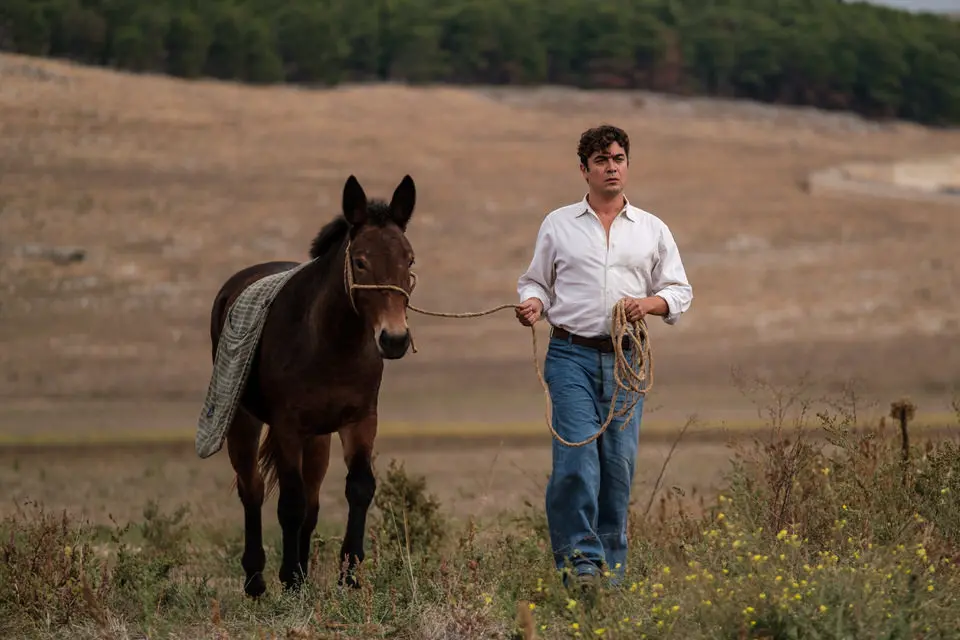
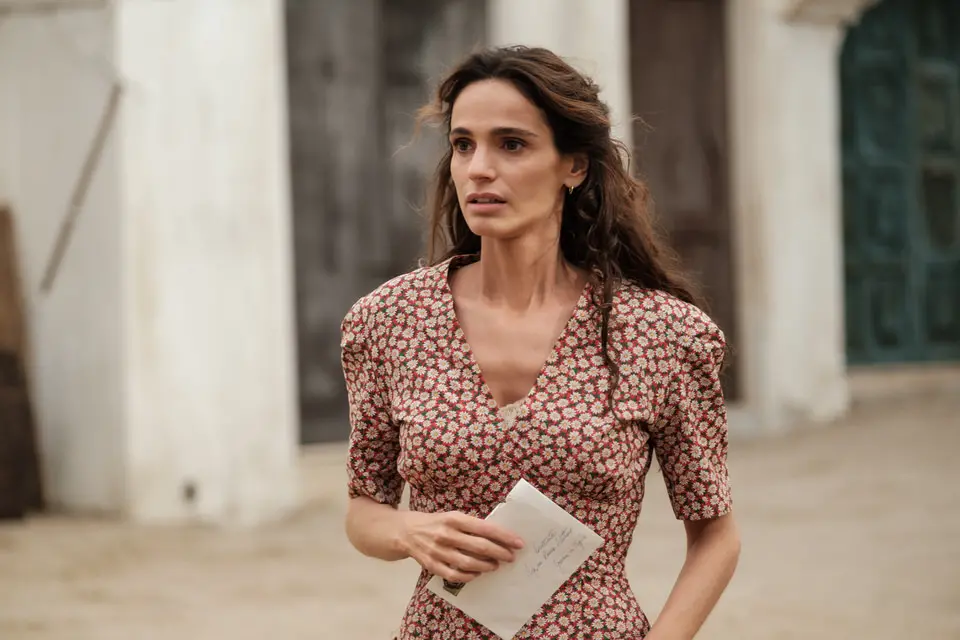
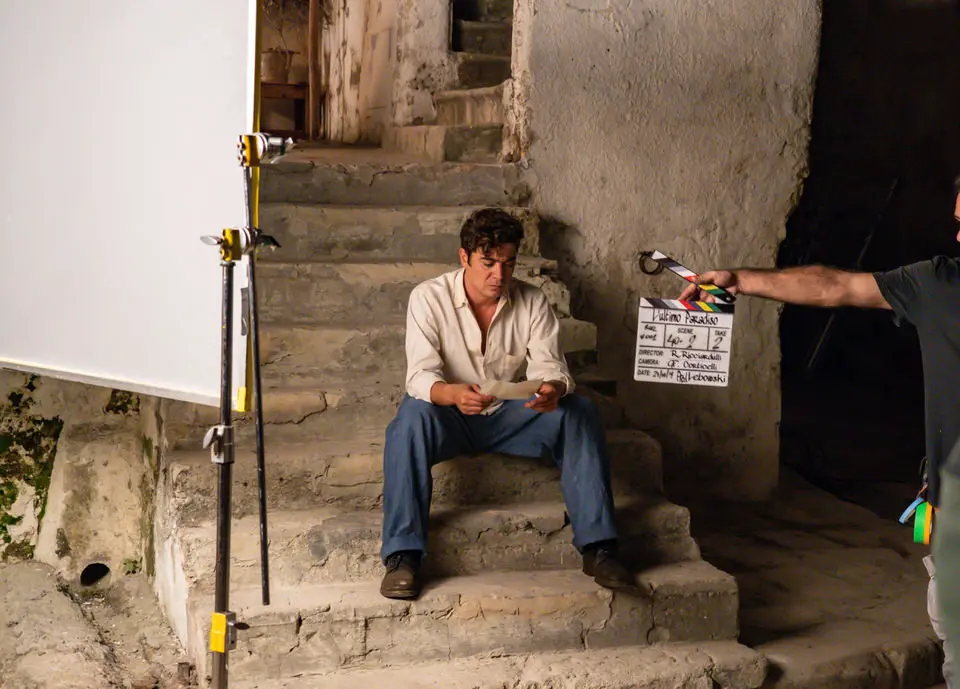
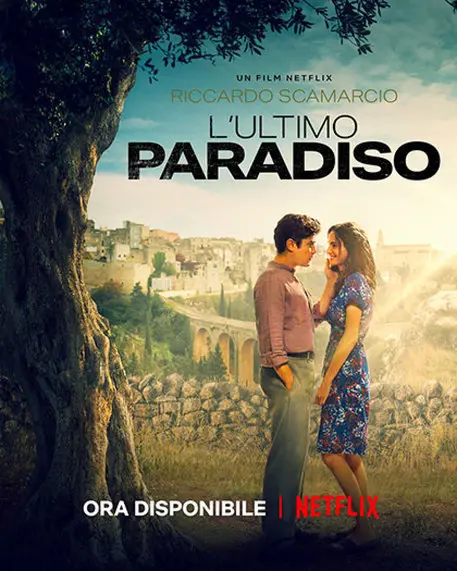
The director Rocco Ricciardulli, from Bernalda, shot his second film, L’ultimo Paradiso between October and December 2019, several dozen kilometres from his childhood home in the Murgia countryside on the border of the Apulia and Basilicata regions. The beautiful, albeit dry and arid landscape frames a story inspired by real-life events relating to the gangmaster scourge of Italy’s martyred lands. It is set in the late 1950’s, an era when certain ancestral practices of aristocratic landowners, archaic professions and a rigid division of work, owners and farmhands, oppressors and oppressed still exist and the economic boom is still far away, in time and space.
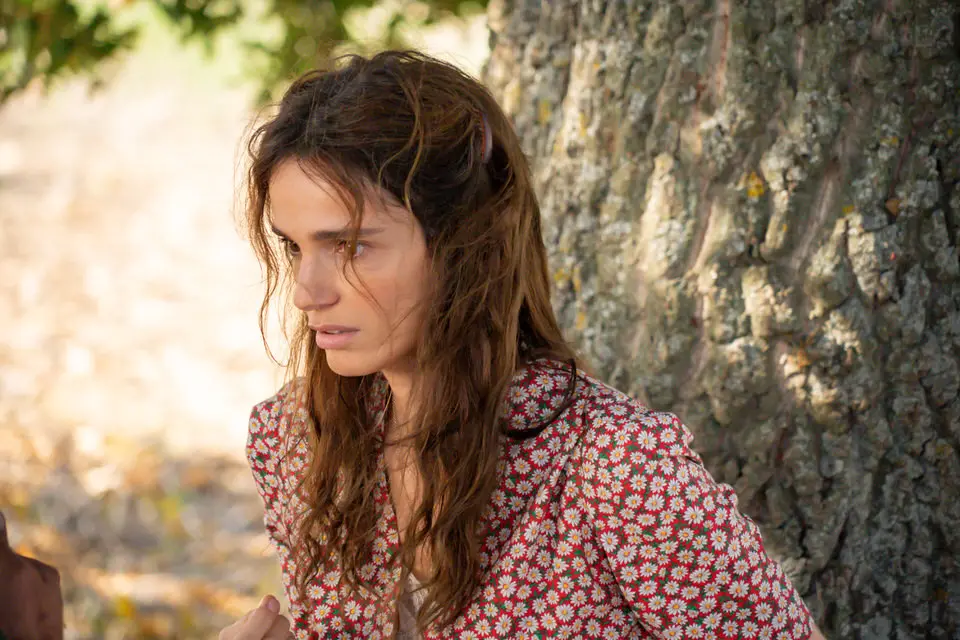
The borgo of Gravina in Puglia, where time seems to stand still, is perched at a height of 400m on a limestone deposit part of the fossa bradanica in the heart of the Parco nazionale dell’Alta Murgia. The film immortalizes the town’s alleyways, ancient residences and evocative aqueduct bridging the Gravina river. The surrounding wild nature, including olive trees, Mediterranean maquis and hectares of farm land, provides the typical colours and light of these latitudes. Just outside the residential centre, on the slopes of the Botromagno hill, which gives its name to the largest archaeological area in Apulia, is the Parco naturalistico di Capotenda, whose nature is so pristine and untouched that it provided a perfect natural backdrop for a late 1950s setting.
The alternative to oppression is departure: a choice made by Antonio whom we first meet in Trieste at the foot of the fountain of the Four Continents whose Baroque appearance decorates the majestic piazza Unità d’Italia.
The director Rocco Ricciardulli, from Bernalda, shot his second film, L’ultimo Paradiso between October and December 2019, several dozen kilometres from his childhood home in the Murgia countryside on the border of the Apulia and Basilicata regions. The beautiful, albeit dry and arid landscape frames a story inspired by real-life events relating to the gangmaster scourge of Italy’s martyred lands. It is set in the late 1950’s, an era when certain ancestral practices of aristocratic landowners, archaic professions and a rigid division of work, owners and farmhands, oppressors and oppressed still exist and the economic boom is still far away, in time and space.
The borgo of Gravina in Puglia, where time seems to stand still, is perched at a height of 400m on a limestone deposit part of the fossa bradanica in the heart of the Parco nazionale dell’Alta Murgia. The film immortalizes the town’s alleyways, ancient residences and evocative aqueduct bridging the Gravina river. The surrounding wild nature, including olive trees, Mediterranean maquis and hectares of farm land, provides the typical colours and light of these latitudes. Just outside the residential centre, on the slopes of the Botromagno hill, which gives its name to the largest archaeological area in Apulia, is the Parco naturalistico di Capotenda, whose nature is so pristine and untouched that it provided a perfect natural backdrop for a late 1950s setting.
The alternative to oppression is departure: a choice made by Antonio whom we first meet in Trieste at the foot of the fountain of the Four Continents whose Baroque appearance decorates the majestic piazza Unità d’Italia.
Lebowski, Silver Productions
In 1958, Ciccio, a farmer in his forties married to Lucia and the father of a son of 7, is fighting with his fellow workers against those who exploit their work, while secretly in love with Bianca, the daughter of Cumpà Schettino, a feared and untrustworthy landowner.
is their flagship project in Thane. It is massive, it is planned, and it is mature. The "A Wing" represents the final (and often best) piece of the puzzle—the phase where the developers have learned from previous residents' feedback and perfected the formula. Part 2: Location Analysis – The Thane Goldilocks Zone One of the biggest hurdles for Thane real estate has always been connectivity. Many projects claim to be "close to Mumbai," only to leave you stuck in the Kapurbawli junction for an hour.
Disclaimer: This is a review blog based on market research and site visits. Prices and specifications are subject to change. Please conduct your own due diligence or consult a legal advisor before making a purchase.
Nestled in the verdant heart of Thane, the "A Wing" of Rustomjee Seasons isn't just another residential tower; it is a manifesto for how Mumbaikars want to live post-2020. If you have been searching for a home that balances the hustle of the Maximum City with the serenity of a hill station, this is the review you need to read.
When we talk about luxury real estate in the Mumbai Metropolitan Region (MMR), the conversation usually revolves around sea views, marble flooring, and celebrity neighbors. But every decade, a project comes along that changes the definition of "luxury" from opulence to wellness .
The building understands the modern Indian family: we want luxury, but we also want our kids to play in the mud; we want a gym, but we also want a place to meditate.
Let’s take a walk through the corridors of the A Wing and see why this is currently the gold standard for suburban living. Before we look at the bricks and mortar, we have to look at the builder. Rustomjee is not a fly-by-night operator. With decades of presence in Mumbai, they are known for two specific things: delivery compliance and biophilic design .
They don’t just build buildings; they build ecosystems. Their previous ventures (Rustomjee Urbania, Rustomjee Central Park) have proven that they understand the pain points of the Indian urban family: traffic, pollution, and lack of open space.
As of mid-2026, the price point for the A Wing hovers in the range for a 3 BHK (subject to floor rise and view).