Experience world-class virtual golf with Golfzon Vision WAVE,
offering realistic 3D courses and global competition on any device.
*Compatible with both WAVE and WAVE Play
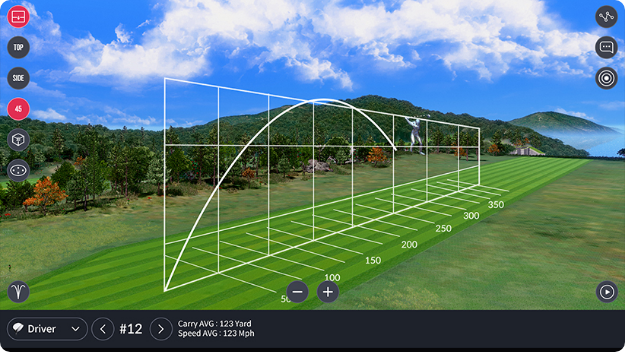
WAVE Skills is a mobile app that displays
detailed shot
data and swing analysis for
Golfzon WAVE users,
enabling
performance
tracking and improvement.
*Exclusive to WAVE
tersasul in english


WAVE Watch app connects to
your WAVE
device via Bluetooth for instant shot results
on your smartwatch, enhancing your golf
experience.
*Compatible with
Apple Watch and Galaxy Watch 4,5
Introduction In the rich tapestry of Malay heritage,


Vision WAVE's mobile version is
set to launch in Q4 2023, offering support for both
iOS and Android devices.
*Compatible with
both WAVE and WAVE Play
What is Tersasul


WAVE Arcade is a mobile app that offers
6 innovative arcade games
instead of
traditional 18-hole play.
*Compatible with
both WAVE and WAVE Play
Introduction In the rich tapestry of Malay heritage, where songket gleams with gold thread and kris blades hold mystical power, there exists a lesser-known but equally profound craft: Tersasul . Often described as "macrame for royalty," this intricate art of decorative knotting and braiding transforms simple cords into masterpieces of geometric precision and cultural symbolism. Once a vital skill in palaces and noble households, Tersasul is today a rare and endangered heritage, kept alive by a handful of dedicated artisans. What is Tersasul? Tersasul is a traditional Malay fiber craft that uses knotting, plaiting, and braiding techniques to create functional and ornamental objects. Unlike weaving (which uses a loom) or embroidery (which uses a needle and fabric), Tersasul is built entirely from knots and interlocking loops. The primary material is tali tangguk (a stiff, waxed cotton cord) or fine rattan strips, though gold and silver threads are also used for high-status pieces.
The name Tersasul likely derives from the Malay word sasul (to thread or pass through), referring to the repetitive action of looping cord through itself. Tersasul reached its zenith during the Malay sultanates of the 17th–19th centuries, particularly in Terengganu, Kelantan, and Pattani (now southern Thailand). It was considered a seni istana (palace art), mastered by noblewomen and court artisans.