Installing Windows 10 On A New Hard Drive __exclusive__ ❲FREE❳
The journey begins long before the first line of code is written to the drive. Preparation is the unsung hero of a smooth installation. First, one must acquire the Windows 10 installation media. Since the new hard drive is empty, it cannot contain an installer; the operating system must be delivered via an external source. This typically means creating a bootable USB flash drive (with at least 8 GB of space) using Microsoft’s free Media Creation Tool. This tool downloads the latest version of Windows 10 and formats the USB drive to be bootable. Simultaneously, the user must ensure they have their product key—a 25-character alphanumeric code that serves as a digital license—or a digital license linked to their Microsoft account. Finally, the physical installation of the hard drive itself must be completed: mounting it in the drive bay, connecting the SATA data cable to the motherboard, and attaching the SATA power cable from the power supply. For an NVMe SSD, the process involves slotting the drive directly into the motherboard’s M.2 slot. With the hardware in place and the USB installer ready, the ceremony can commence.
The final act is the “out-of-box experience” (OOBE), where the sterile technical process gives way to personalization. The user chooses a region, a keyboard layout, and connects to a network. They sign in with a Microsoft account or opt for a traditional local account. Privacy settings are toggled, Cortana is accepted or declined, and a username and password are created. After a few minutes of “Getting things ready,” the desktop finally appears: the iconic Windows logo, the taskbar, the recycle bin. The new hard drive is no longer a silent, empty vessel. It now houses an operating system—a digital soul capable of running browsers, games, spreadsheets, and creative tools. installing windows 10 on a new hard drive
Once the Windows Setup screen loads, the process becomes a blend of automated efficiency and critical decision-making. After selecting language, time, and keyboard preferences, the user clicks “Install now.” At this point, the installer will ask for the product key. For those using a digital license, clicking “I don’t have a product key” allows the installation to proceed, with activation occurring later upon connecting to the internet. The most critical screen is yet to come: “Which type of installation do you want?” The correct choice is “Custom: Install Windows only (advanced),” not the upgrade option. This reveals a list of drives and unallocated spaces. The new hard drive will appear as a single block of “Unallocated Space.” Selecting it and clicking “Next” is the moment of truth. Windows automatically creates the necessary system partitions—a small System Reserved partition (for boot files) and a primary partition (for the OS, programs, and data). The user does not need to format or partition manually unless they desire specific drive letter arrangements. From this point, the installation becomes automatic: files copy, features install, and the computer will reboot—often multiple times. It is crucial to remove the USB drive during the first reboot or ensure the BIOS now boots from the hard drive, allowing Windows to complete its setup. The journey begins long before the first line
The installation proper begins by summoning the machine’s basic input/output system, or BIOS/UEFI. Accessed by pressing a key like Del, F2, or F12 during the initial startup, the BIOS is the low-level firmware that initializes hardware before the operating system takes over. Inside this text-based environment, the user must perform two critical tasks: first, set the boot order to prioritize the USB drive over the new (empty) hard drive; second, ensure that the SATA mode is set to AHCI (for traditional drives) or that the NVMe controller is enabled. Saving these changes and restarting the computer launches the blue-and-gray Windows Setup environment—a stark, functional interface that is the first sign of success. Since the new hard drive is empty, it
Installing Windows 10 on a new hard drive is a rite of passage for the PC enthusiast and a practical skill for any computer user. It demystifies the machine, replacing abstract anxiety with concrete knowledge. The process teaches patience (waiting for files to copy), attention to detail (choosing the correct partition), and problem-solving (why didn’t it boot from the USB?). More than that, it offers a profound sense of agency: the ability to take a lifeless piece of hardware and, through a sequence of deliberate steps, turn it into a portal to the world’s knowledge and creativity. In an age of sealed, disposable devices, manually installing an operating system is a quiet act of empowerment—a reminder that the user, not the machine, is ultimately in control.
In the world of personal computing, few experiences are as simultaneously daunting and rewarding as booting up a machine with a completely blank hard drive. The screen is black, save for a single blinking cursor or a stark message: “Boot device not found.” This is not an error, but an invitation. It is a blank slate. Installing Windows 10 on a new hard drive is more than a technical chore; it is the act of breathing digital life into inert hardware, transforming a collection of metal, silicon, and plastic into a functional, intelligent tool.
Vehicles
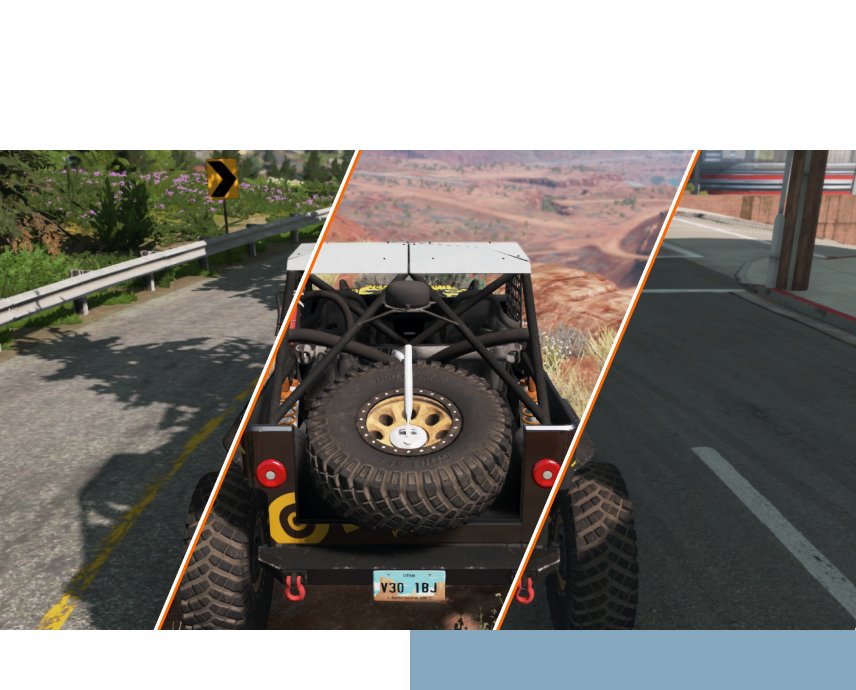
BeamNG.drive offers dozens of refined, completely customizable vehicles to experiment with. Whether it’s a compact car or massive truck, players can tweak away at all the moving parts to create just about any driving experience desirable. Wheels, suspension, engines, and more; everything is under your control.
There’s plenty to discover while driving. Featuring 12 sprawling, beautiful open-world environments, the terrain feels as vast and diverse as the gameplay options. Test out a new setup through tropical jungle passages, barren deserts, urban boulevards, packed highways, and much more.
The entire gameplay experience can be tailored to the player's specifications. Everything from vehicles to the very physical properties that affect the in-game environments. With our out-of-the-box World Editor, everyone can put a twist on their in-game experience.
Modding and Community
Our vibrant community of enthusiasts regularly shares interesting vehicle builds, terrains, and scenarios for others to enjoy. The modding capabilities in BeamNG.drive are vast, allowing players to customize and fine-tune just about anything.
Automation
Through our partnership with Automation - the car company tycoon game - players can export their creations into BeamNG.drive. Design your custom car and engine, tailor everything to your specifications, choose the "export" option, start up BeamNG.drive, and hop in for a test ride.
The journey begins long before the first line of code is written to the drive. Preparation is the unsung hero of a smooth installation. First, one must acquire the Windows 10 installation media. Since the new hard drive is empty, it cannot contain an installer; the operating system must be delivered via an external source. This typically means creating a bootable USB flash drive (with at least 8 GB of space) using Microsoft’s free Media Creation Tool. This tool downloads the latest version of Windows 10 and formats the USB drive to be bootable. Simultaneously, the user must ensure they have their product key—a 25-character alphanumeric code that serves as a digital license—or a digital license linked to their Microsoft account. Finally, the physical installation of the hard drive itself must be completed: mounting it in the drive bay, connecting the SATA data cable to the motherboard, and attaching the SATA power cable from the power supply. For an NVMe SSD, the process involves slotting the drive directly into the motherboard’s M.2 slot. With the hardware in place and the USB installer ready, the ceremony can commence.
The final act is the “out-of-box experience” (OOBE), where the sterile technical process gives way to personalization. The user chooses a region, a keyboard layout, and connects to a network. They sign in with a Microsoft account or opt for a traditional local account. Privacy settings are toggled, Cortana is accepted or declined, and a username and password are created. After a few minutes of “Getting things ready,” the desktop finally appears: the iconic Windows logo, the taskbar, the recycle bin. The new hard drive is no longer a silent, empty vessel. It now houses an operating system—a digital soul capable of running browsers, games, spreadsheets, and creative tools.
Once the Windows Setup screen loads, the process becomes a blend of automated efficiency and critical decision-making. After selecting language, time, and keyboard preferences, the user clicks “Install now.” At this point, the installer will ask for the product key. For those using a digital license, clicking “I don’t have a product key” allows the installation to proceed, with activation occurring later upon connecting to the internet. The most critical screen is yet to come: “Which type of installation do you want?” The correct choice is “Custom: Install Windows only (advanced),” not the upgrade option. This reveals a list of drives and unallocated spaces. The new hard drive will appear as a single block of “Unallocated Space.” Selecting it and clicking “Next” is the moment of truth. Windows automatically creates the necessary system partitions—a small System Reserved partition (for boot files) and a primary partition (for the OS, programs, and data). The user does not need to format or partition manually unless they desire specific drive letter arrangements. From this point, the installation becomes automatic: files copy, features install, and the computer will reboot—often multiple times. It is crucial to remove the USB drive during the first reboot or ensure the BIOS now boots from the hard drive, allowing Windows to complete its setup.
The installation proper begins by summoning the machine’s basic input/output system, or BIOS/UEFI. Accessed by pressing a key like Del, F2, or F12 during the initial startup, the BIOS is the low-level firmware that initializes hardware before the operating system takes over. Inside this text-based environment, the user must perform two critical tasks: first, set the boot order to prioritize the USB drive over the new (empty) hard drive; second, ensure that the SATA mode is set to AHCI (for traditional drives) or that the NVMe controller is enabled. Saving these changes and restarting the computer launches the blue-and-gray Windows Setup environment—a stark, functional interface that is the first sign of success.
Installing Windows 10 on a new hard drive is a rite of passage for the PC enthusiast and a practical skill for any computer user. It demystifies the machine, replacing abstract anxiety with concrete knowledge. The process teaches patience (waiting for files to copy), attention to detail (choosing the correct partition), and problem-solving (why didn’t it boot from the USB?). More than that, it offers a profound sense of agency: the ability to take a lifeless piece of hardware and, through a sequence of deliberate steps, turn it into a portal to the world’s knowledge and creativity. In an age of sealed, disposable devices, manually installing an operating system is a quiet act of empowerment—a reminder that the user, not the machine, is ultimately in control.
In the world of personal computing, few experiences are as simultaneously daunting and rewarding as booting up a machine with a completely blank hard drive. The screen is black, save for a single blinking cursor or a stark message: “Boot device not found.” This is not an error, but an invitation. It is a blank slate. Installing Windows 10 on a new hard drive is more than a technical chore; it is the act of breathing digital life into inert hardware, transforming a collection of metal, silicon, and plastic into a functional, intelligent tool.
This month’s featured mod is the New England Forest Rally by SPittlebug.
Based on real-world locations in Upton, Maine (USA), this map aims to give the player a whole new rally experience. Featuring 8K terrain textures with 67km² of forest landscape, with fast, packed dirt roads, and six hand-crafted stages to explore.
The map also includes a rally leaderboard and smaller timeboards that will be regularly updated.
We use cookies to enable essential website operations and analyze traffic.
By clicking “Agree” you consent to use of these technologies as described
in our
Privacy Policy.